Contact: Karolin Amstein, Prof. Julia Hufenbach
Thermoelectric devices provide a promising approach for energy harvesting and active cooling by converting thermal into electrical energy and vice versa. However, their design and integration are limited by conventional manufacturing methods. Laser powder bed fusion (PBF-LB/M), an additive manufacturing (AM) technique, offers a solution to extend their field of application by enabling the direct and rapid fabrication of complex and customized structures. Additionally, this process significantly reduces material consumption and production time compared to conventional methods. Nevertheless, applying AM to the synthesis of thermoelectric materials requires further research regarding processability and material performance.
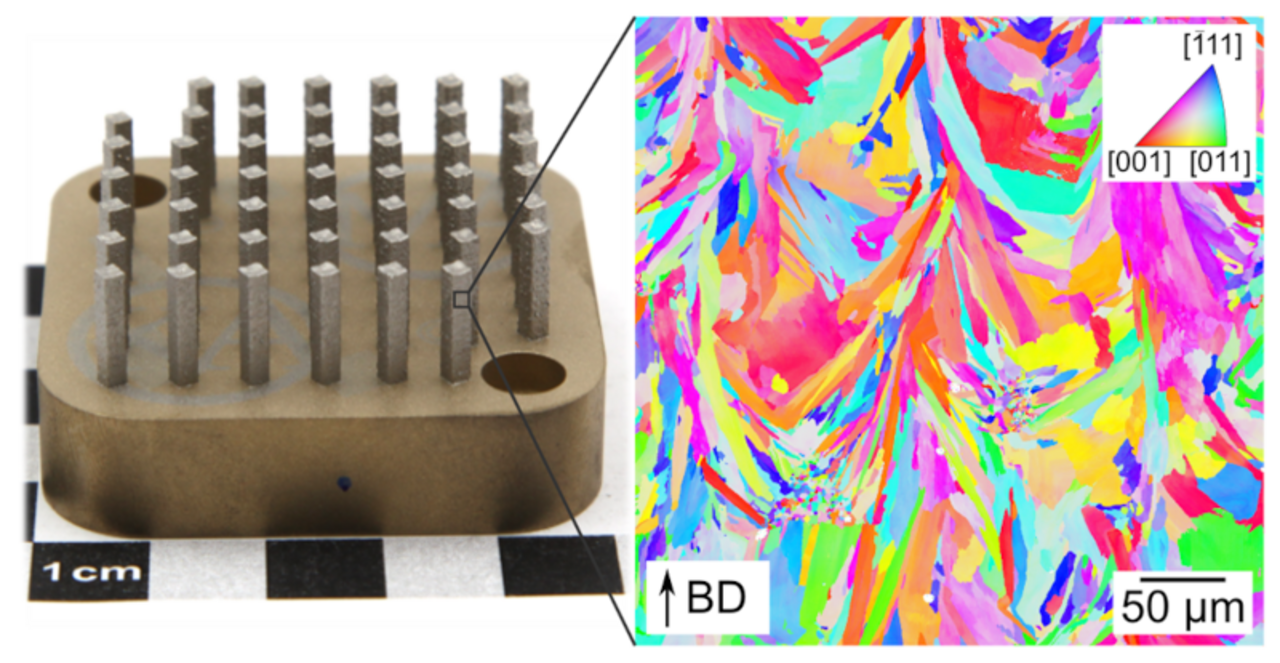
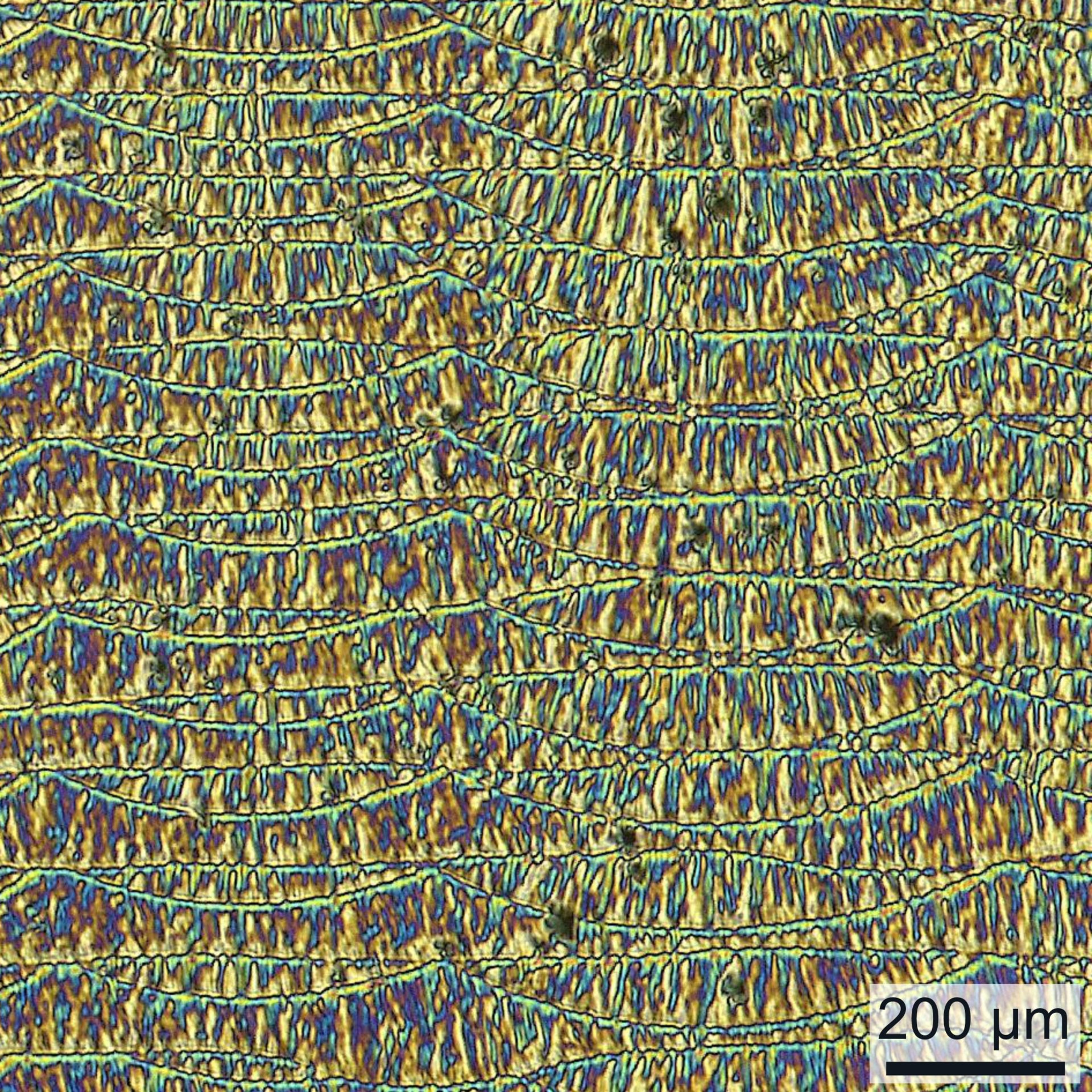
To address the demand for non‑toxic and environmentally friendly thermoelectric modules, the earth‑abundant metallic alloy CuNi as n-type and NiCr as p-type were used to directly manufacture bulk samples from powders. By optimizing process parameters, highly dense samples were successfully produced. Furthermore, PBF-LB/M offers the ability to tailor microstructural features, such as grain size and texture, and can improve thermoelectric performance.
In conclusion, laser powder bed fusion provides a promising technology to tailoring thermoelectric material properties for advanced applications.