Contact: Dr. Birgit Paul, Prof. Julia Hufenbach
The circular economy of metallic materials represents a central pillar of sustainable material use and resource efficiency. Unlike many others, these materials can be recycled indefinitely without significant loss of quality.
Through the systematic collection, sorting, and advanced metallurgical reprocessing, scrap metals can re-enter the production cycle as high-quality raw materials. This qualifies metallic materials as ideal candidates for a truly circular economy, reducing the demand for primary ores and also lowering the energy consumption as well as greenhouse gas emissions associated with extraction and smelting. In this context, advanced metallurgical processes play a crucial role in maintaining material performance while minimizing environmental impact.
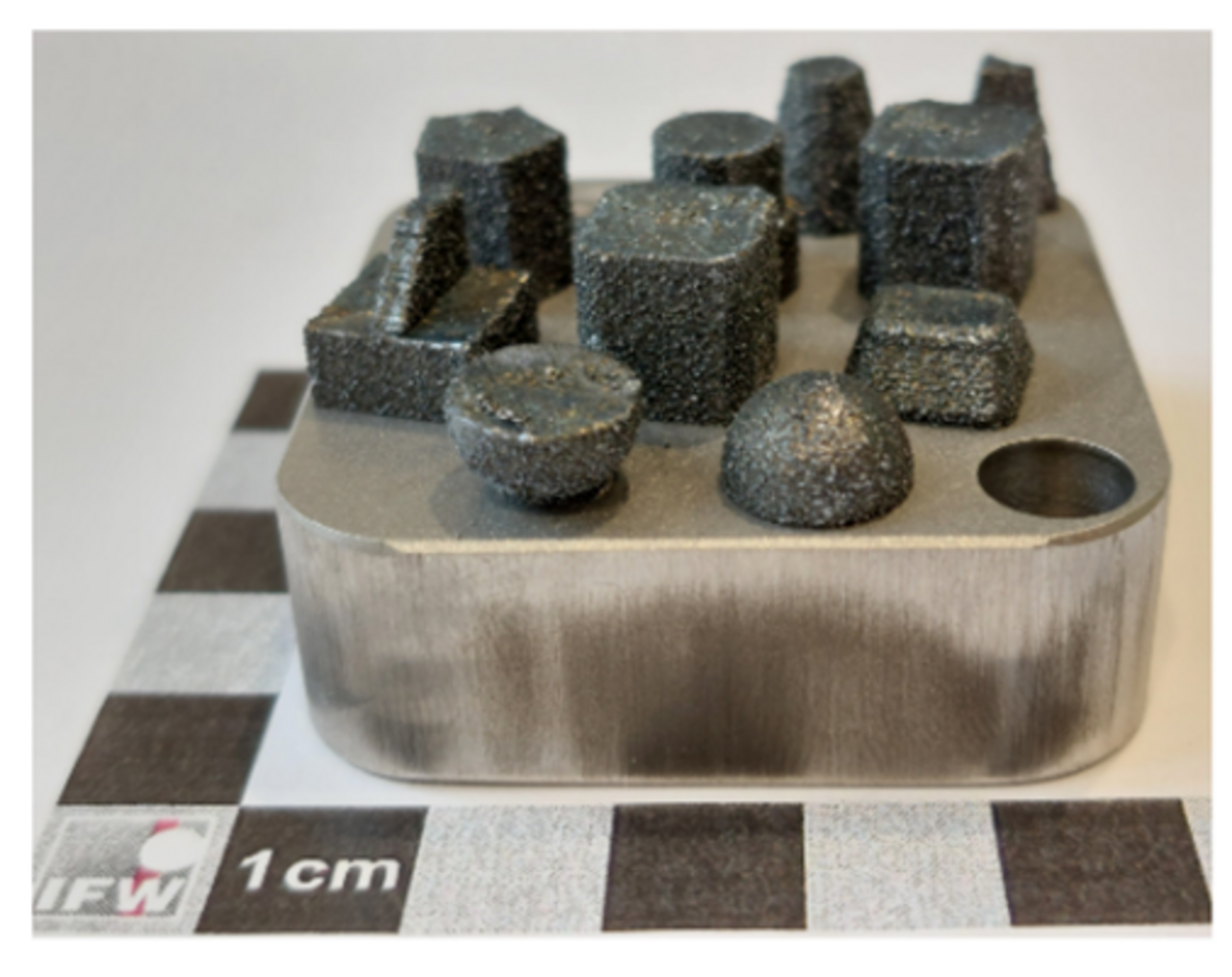
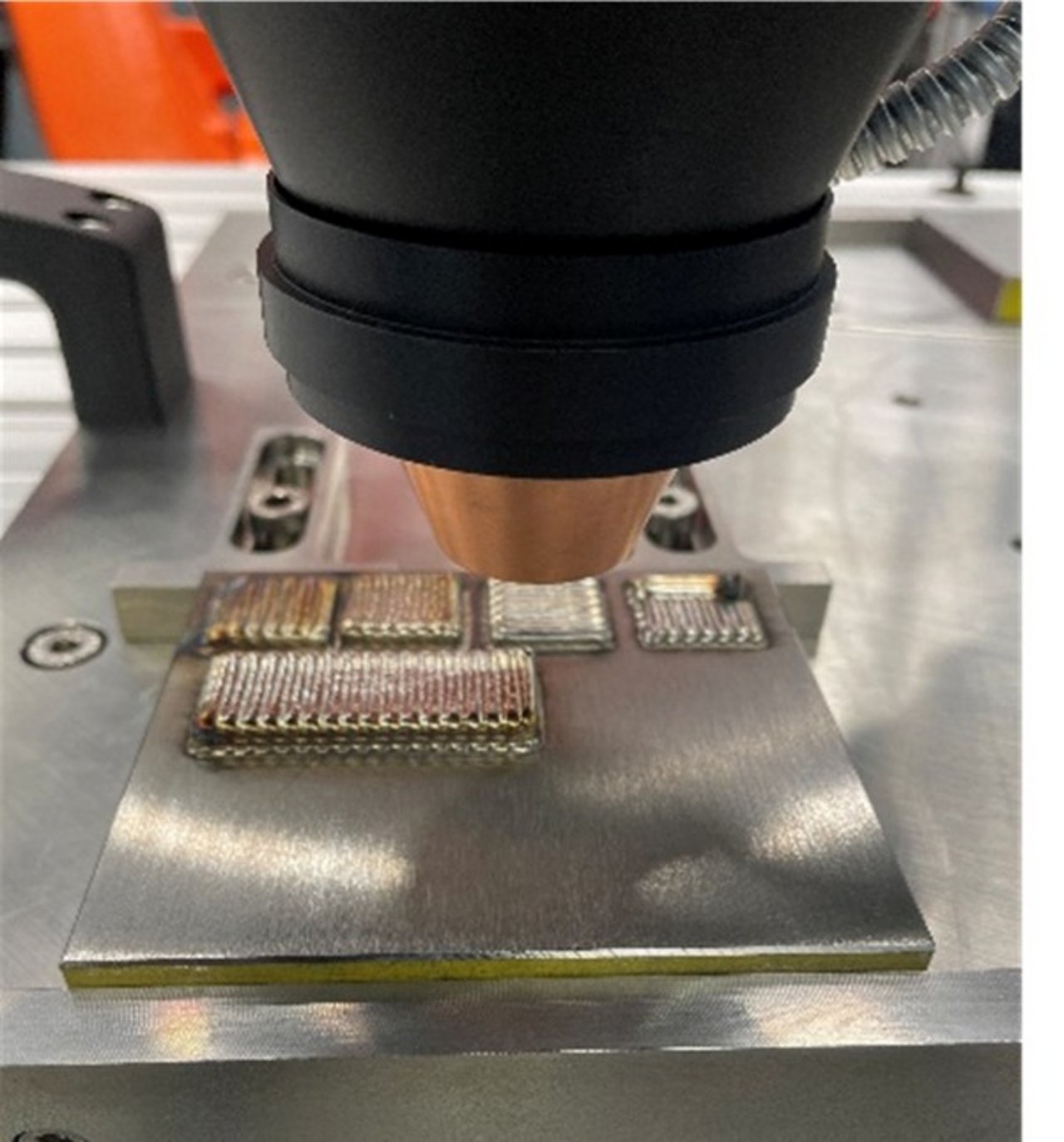
Our research focuses on the development of novel alloys and processing routes, in which circular economy is considered as a central guiding paradigm. In this respect our topics include, among others, the application of scrap materials for alloy manufacturing, the recycling of machining chips or used powders from additive manufacturing, the substitution of critical and strategic raw elements, as well as the development of new alloys for the repair of tools and wear parts. In detail, the influence of impurities on the microstructure and material properties of, for example, high-alloy steels, Ni-based systems, or silicon is of central importance in our investigations.