contact: Prof. Jens Freudenberger
Our research focuses on Fe-based shape memory alloys (SMA). These alloys are less cost-intensive when compared to their counterparts, such as NiTi. Here, Fe-based SMAs are designed for an application as damper or even actuators in building or automotive parts, offering high force dynamics and silent operation.
M. Vollmer et al. NATURE COMMUNICATIONS | (2019)10:2337
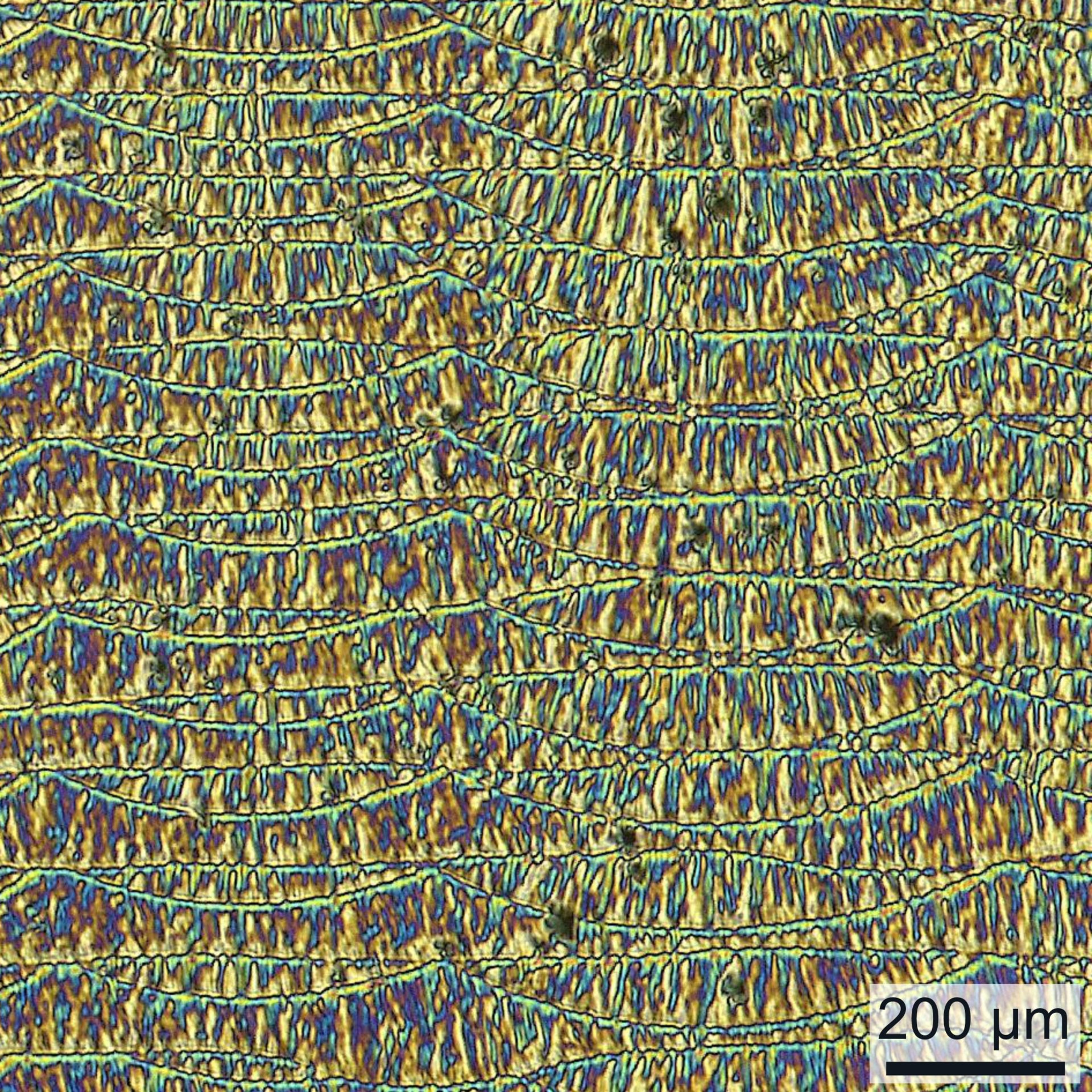
Iron-based shape memory alloys are promising candidates for large-scale structural applications due to their cost efficiency and the possibility of using conventional processing routes from the steel industry. However, recently developed alloy systems like Fe–Mn–Al–Ni suffer from low recoverability if the grains do not completely cover the sample cross-section. To overcome this issue, here we show that small amounts of titanium added to Fe–Mn–Al–Ni significantly enhance abnormal grain growth due to a considerable refinement of the subgrain sizes, whereas small amounts of chromium lead to a strong inhibition of abnormal grain growth. By tailoring and promoting abnormal grain growth it is possible to obtain very large single crystalline bars. We expect that the findings of the present study regarding the elementary mechanisms of abnormal grain growth and the role of chemical composition can be applied to tailor other alloy systems with similar microstructural features.

J. Cassinerio et al., Shap. Mem. Superelasticity https://doi.org/10.1007/s40830-023-00470-w
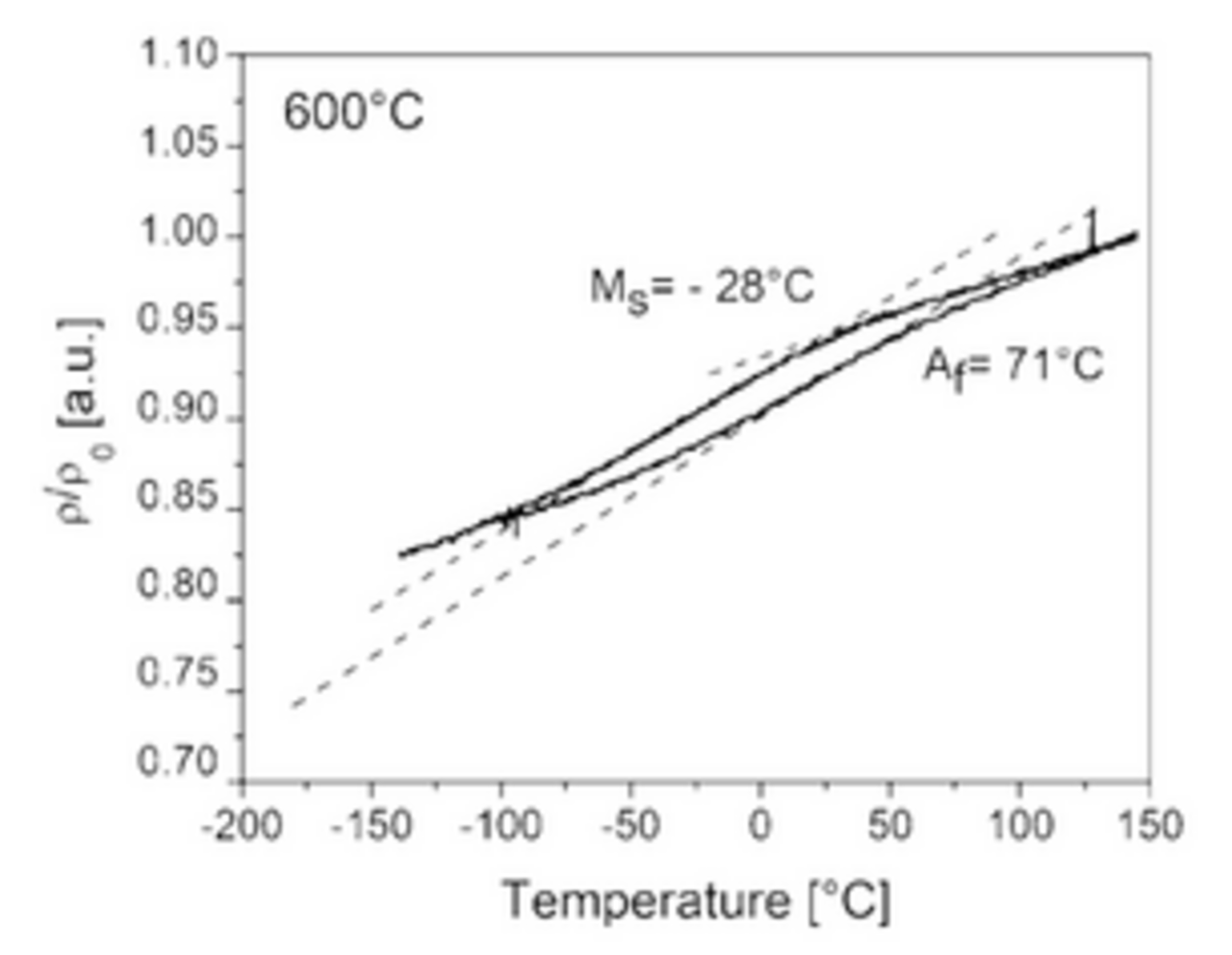
The effect of precipitation on the martensitic transformation temperatures of cold drawn Fe 41 – Ni 28 –Co 17 – Al 11.5 –Ti 2.5- B 0.05 (at. %) wires was studied. To promote the evolution of γ´ precipitates ageing at 600 °C, 650 °C and 700° for times varying between 1 and 24 h was performed. Variation in the size and distribution of the precipitates via ageing significantly affects the transformation temperatures as the Ni content in the matrix is altered. The different sizes and distributions of the precipitates affects the austenite finish temperature, which is around room temperature and can be modified by approximately 100 °C