
Magnetic fields which are applied on electrochemical processes in liquid media can have significant effects by generating additional forces on species in solution near to an electrode surface. We conduct fundamental studies to analyze and describe the impact of those magnetic field effects on corrosion, electrodeposition and gas evolution.
Rare earth magnets (NdFeB, SmCo) are the strongest permanent magnets with a broad range of applications, e.g. in electromobility or the green energy sector. But their corrosion stability is a challenging aspect determining their life-time.
We have a long-term expertise in characterizing corrosion properties of magnets ranging from fundamental analysis of the effects of materials parameters (microstructure, magnetization state) to the development of specific test scenarios. This expertise is used for corrosion analysis of new magnetocaloric alloys and for developing recycling strategies for rare earth containing magnetic materials.
We work in cooperation with the groups “Magnetic Materials” at IMW and Magnetic Microscopy and Thin Film Devicesat IET.
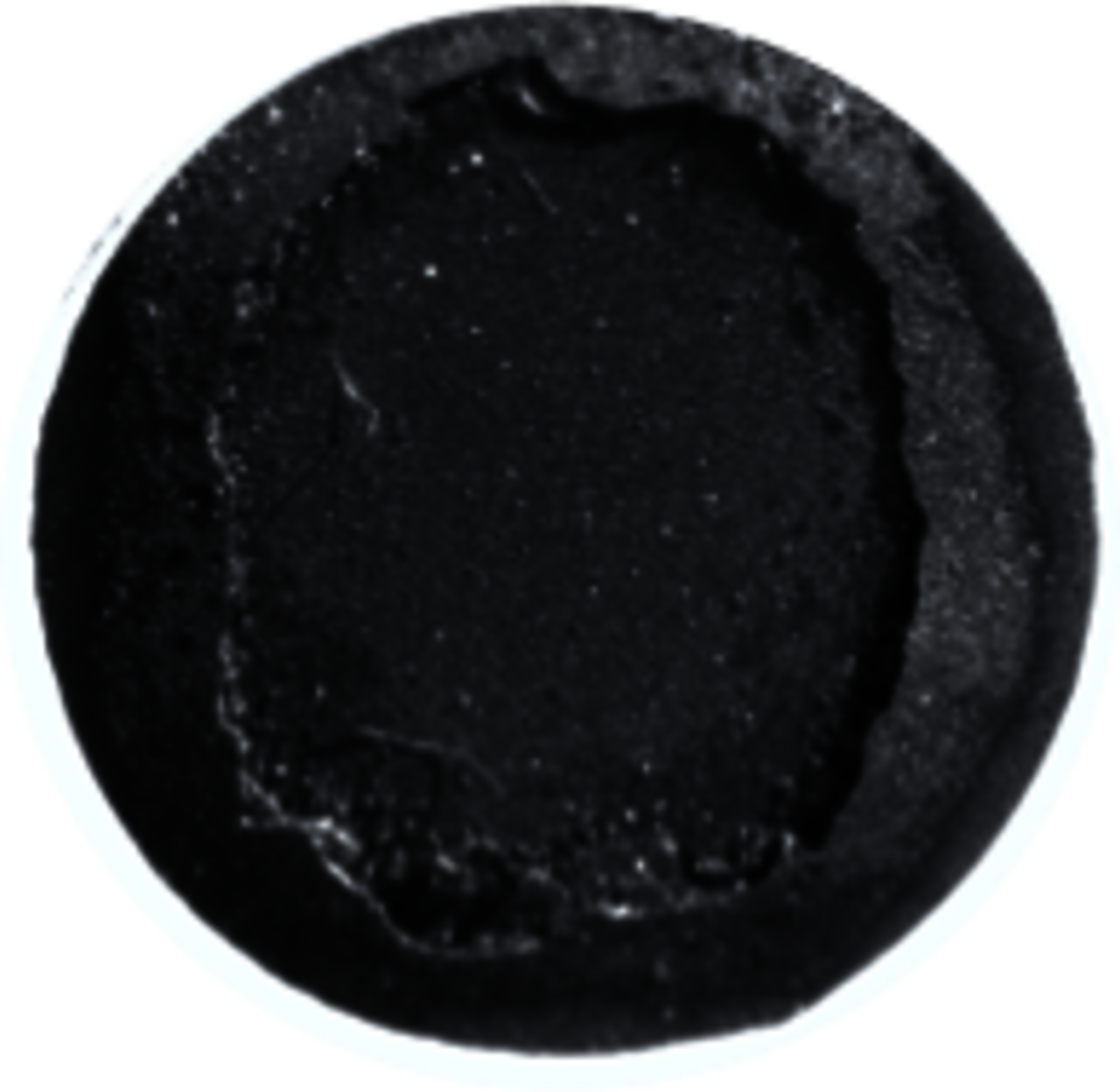
The microstructure of NdFeB magnets usually comprising ferromagnetic grains surrounded by intergranular Nd-rich phase regions is critical for their corrosion stability. We have fundamentally studied the effect of various materials parameters, e.g. composition including additives, grain size and texture, on the complex corrosion processes of magnet materials in different electrolytes. Corrosion degradation is driven not only by the active dissolution tendency of Nd-rich phases but also by the strong hydrogen absorption capability of the material. In particular, it was demonstrated that the magnetization state of the magnet material is decisive for their corrosion rates. Base studies on Fe revealed that magnetic field gradient forces determine the (local) corrosion activity of ferromagnetic electrodes. Accelerated corrosion was also confirmed for (coated) magnets that were subjected to specific tests conditions which are relevant for e-motor applications.
R. Sueptitz et al., Effect of DyF3 on the corrosion behaviour of hot-pressed Nd-Fe-B permanent magnets, Mater. Corros. 66 (2015) 152.
M. Moore et al., Impact of magnetization state on the corrosion of sintered Nd-Fe-B magnets for e-motor applications, Mater. Corros. 65 (2014) 891.
R. Sueptitz et al., Effect of magnetization state on the corrosion behaviour of NdFeB permanent magnets, Corros. Sci. 53 (2011) 2843.
R. Sueptitz, Impact of magnetic field gradients on the free corrosion of iron, Electrochim. Acta 55 (2010) 5200.
M. Rada et al., Corrosion studies on highly textured Nd-Fe-B sintered magnets, J. Alloys Compd. 415 (2006) 111.
Projekt: DFG, FVA-FVV
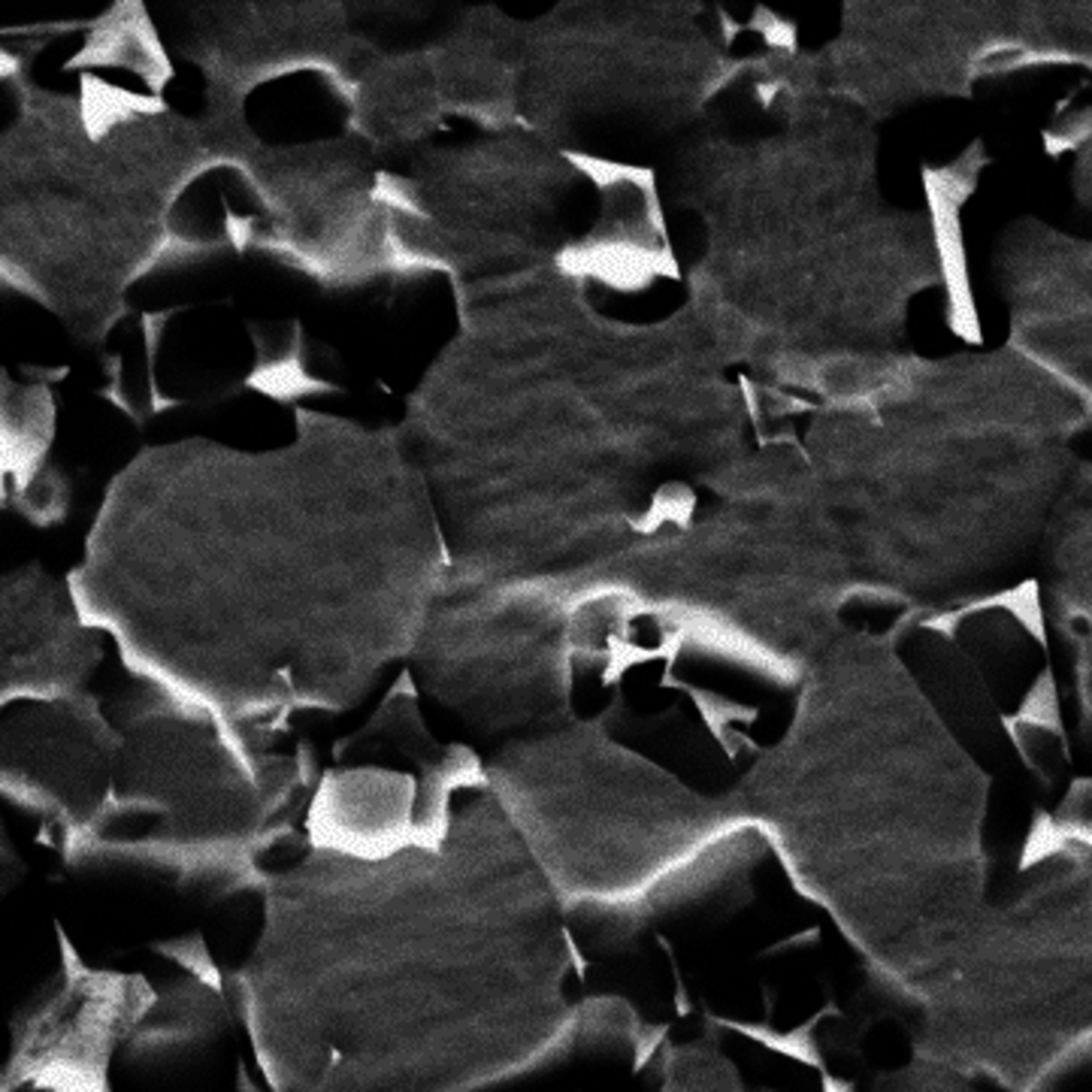
Rare earths (RE) elements like Nd, Pr, Dy, Tb are key constituents of modern permanent magnets but, considering their perspective availability they are considered as most critical materials. Recycling of RE from Nd-Fe-B-magnet scrap is one strategy to oppose this problem. Melt-metallurgical processing under utilization of phase separation phenomena based on the immiscibility of involved elements is a way to accumulate RE in one phase. We proposed an approach in which Cu is used as agent for phase separation upon melting and solidification. Above a critical Cu content in a mixture with NdFeB scrap large phase separation into (Nd,Cu)-rich and (Fe,B)-rich regions was observed. Nd recovery from (Cu,Nd)-rich fractions is possible by various approaches exploiting the large chemical property differences between the reactive rare earths elements and the noble Cu.
M. Moore et al., A route for recycling Nd from Nd-Fe-B magnets using Cu melts, J. Alloys Compd. 647 (2015) 997.
R. Sueptitz et al., Corrosion, passivation and breakdown of passivity of neodymium, Corros. Sci 52 (2010) 886.
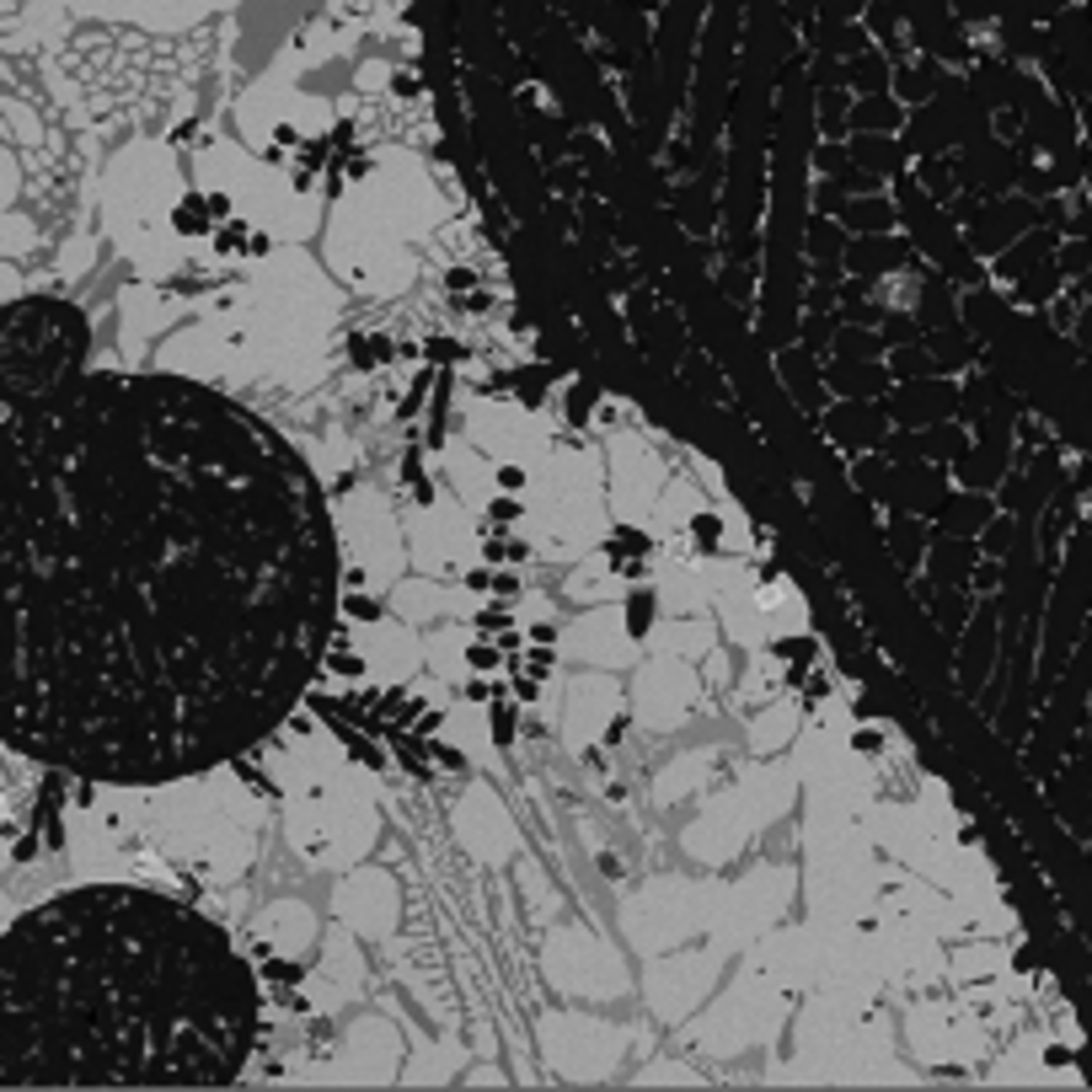
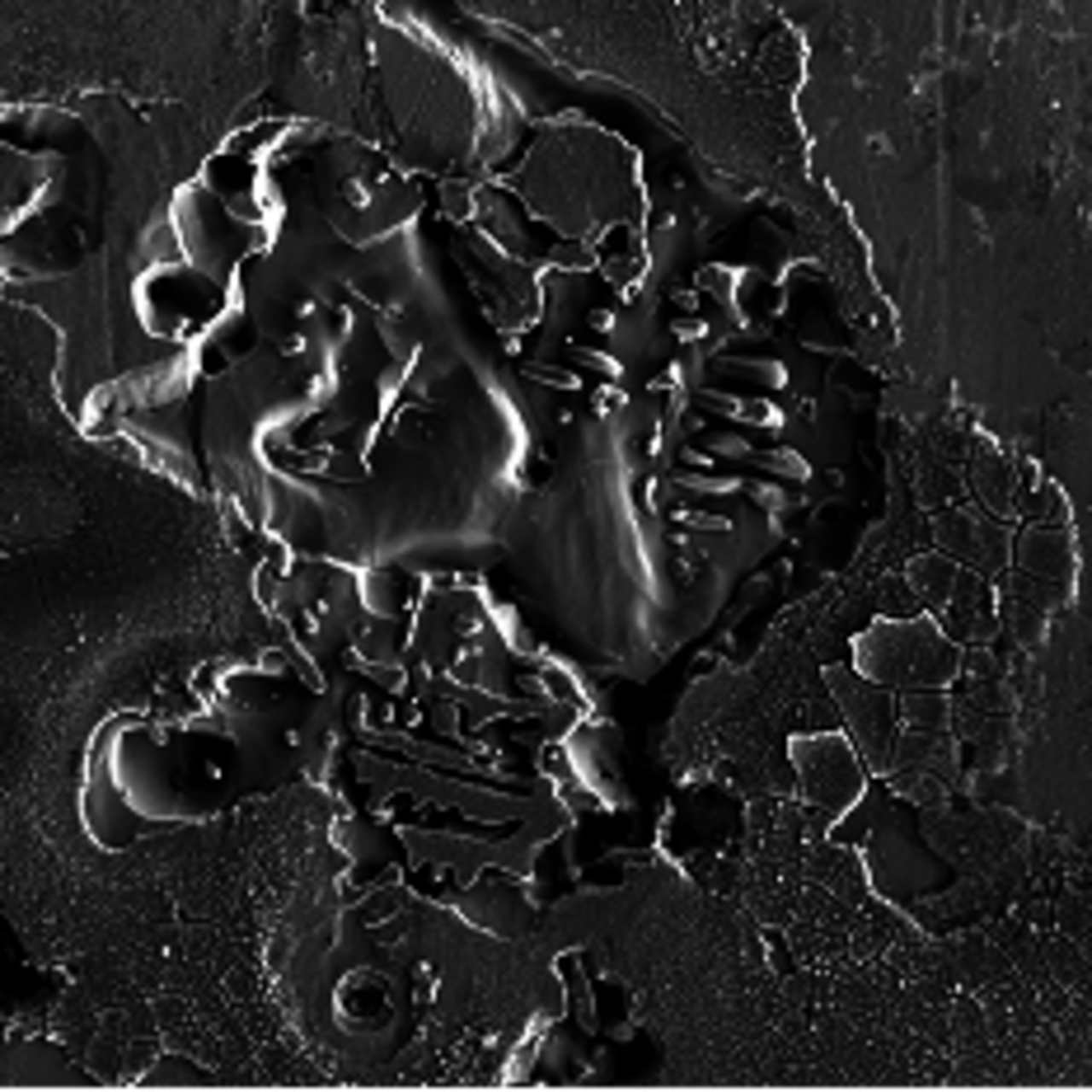
Magnetocaloric La(Fe,Si)13 based alloys are essential building blocks for magnetic cooling systems. However, their insufficient corrosion resistance in water-related transfer fluids is very critical. The corrosion behavior of as-cast and annealed La-Fe-Si alloy samples was analyzed in comparison to that of La and Fe for evaluation of the impact of alloy chemistry and microstructure. Electrochemical studies were conducted in defined electrolytes starting with aerated distilled water (pH=6) for assessing the influence of pH value changes and anion contaminations. Specifically, forced flow electrolyte conditions were applied which are closer to operation conditions of real magnetocaloric regenerator beds than stagnant ones. The reactive nature of the alloy constituents determines the high corrosion activity and limited passivation ability of La-Fe-Si alloys. Their exposure to distilled water is particularly detrimental under stagnant conditions as local fluid acidification enhances corrosion processes. These are based on galvanic coupling between the phases with different corrosion activities: La-rich phases > La(Fe,Si)13-based matrix > alpha-Fe(Si). Laminar fluid flow is beneficial for alloy surface passivation. But anion contaminants like sulphate or hydrogen phosphate ions counteract the weak passivity in flowing distilled water. While acidic conditions lead to instable corrosive states, a pH value control of the heat transfer fluid at alkaline conditions is effective for stable passivity of the alloy surface. Also, the applicability of a phosphate conversion coating treatments was evaluated.
A. Gebert, M. Krautz, A. Waske, Exploring corrosion protection of La-Fe-Si magnetocaloric alloys by passivation, Intermetallics 75 (2016) 88.
Dr. Annett Gebert
a.gebert(at)ifw-dresden.de
+49 (0)351 4659 275


