Contact: Prof. Jens Freudenberger
High-Entropy Alloys (HEAs) are of interest for gaining a fundamental understanding of composition determined materials properties, particularly solid solution hardening, or investigations of the deformation behaviour. One key question is how the conventional models for solid solution strengthening that consider matrix and solute elements, will have to be modified if no matrix element can be assigned. Furhtermore, investigations of the deformation mechanisms are perforemd to separate the material behaviour of the HEAs cleanly from that of single-phase conventional alloys. The research activities as given below aim at identifying which issues are special for HEAs leading to their peculiar properties.
S. Drescher et al. Nano Research, 2025, 18, 94907122
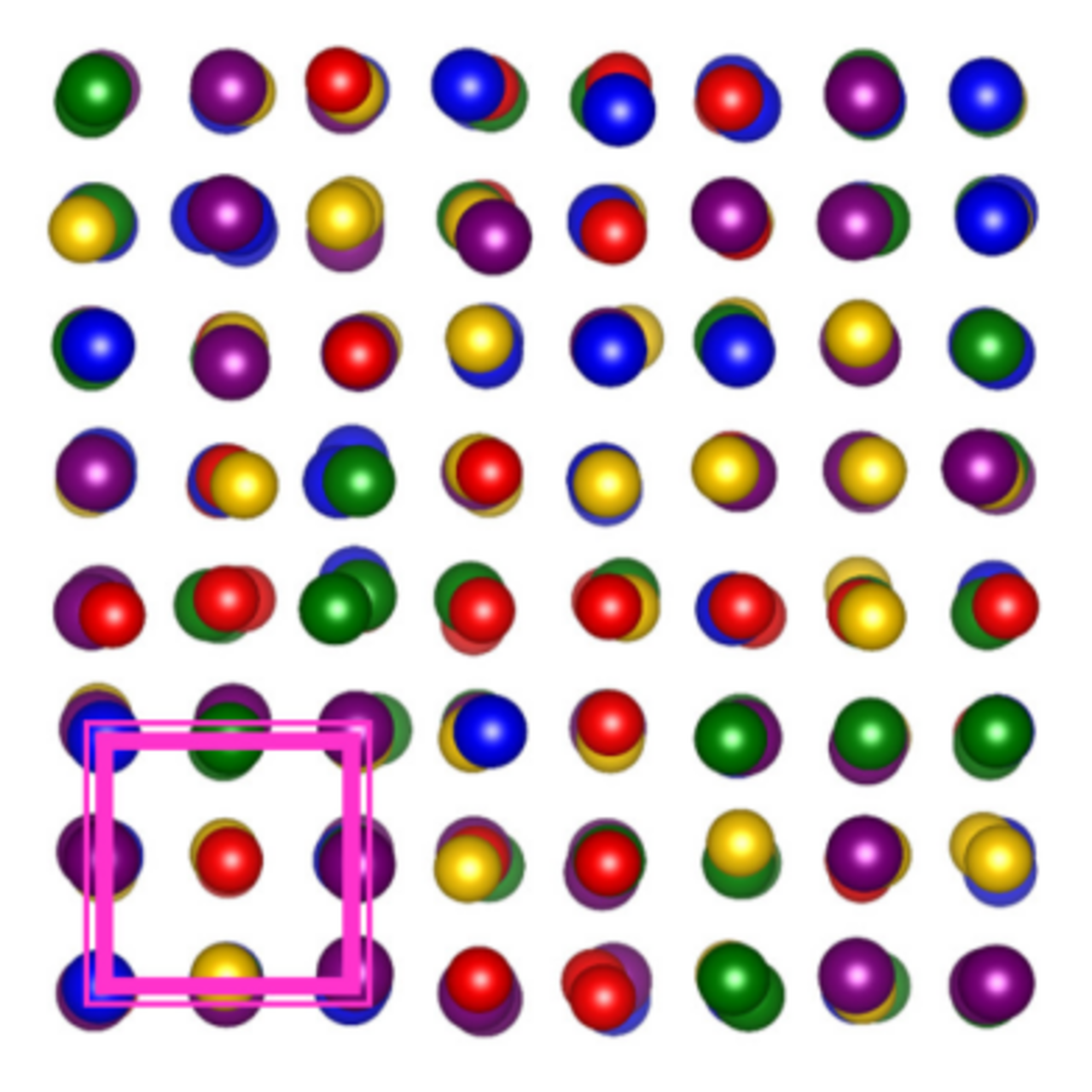
In our study, the composition-dependent effects of atomic displacements in Au-Cu-Ni-Pd-Pt based alloys, comprising elements with large differences in atomic radii, are investigated at the atomic scale. Two alloys—the equimolar AuCuNiPdPt and AuCuNiPd—have been characterized using multi-edge extended X-ray absorption fine structure (EXAFS) spectroscopy in conjunction with reverse Monte Carlo (RMC) simulations at room temperature. The statistically-averaged component-dependent pair distribution functions (PDFs), which represent the distribution of atoms around the assumed regular face-centered cubic (fcc) lattice positions, reveal a shift of their peaks to shorter distances and a pronounced asymmetry in atomic distribution only for atoms with small radii (Cu/Ni). The analysis demonstrates that small atoms (Cu/ Ni) are significantly more displaced from the expected lattice positions as compared to large atoms (Au/Pt). Furthermore, here are indications of preferential next-neighbour bonding that changes depending on the alloy composition. The most pronounced changes in the PDFs were found solely for Pd. With this study, we provide a basis for a deeper understanding of the composition-dependent atomic arrangement in chemically complex solid solutions.
S. Drescher et al. Journal of Alloys and Compounds 1002 (2024) 175273
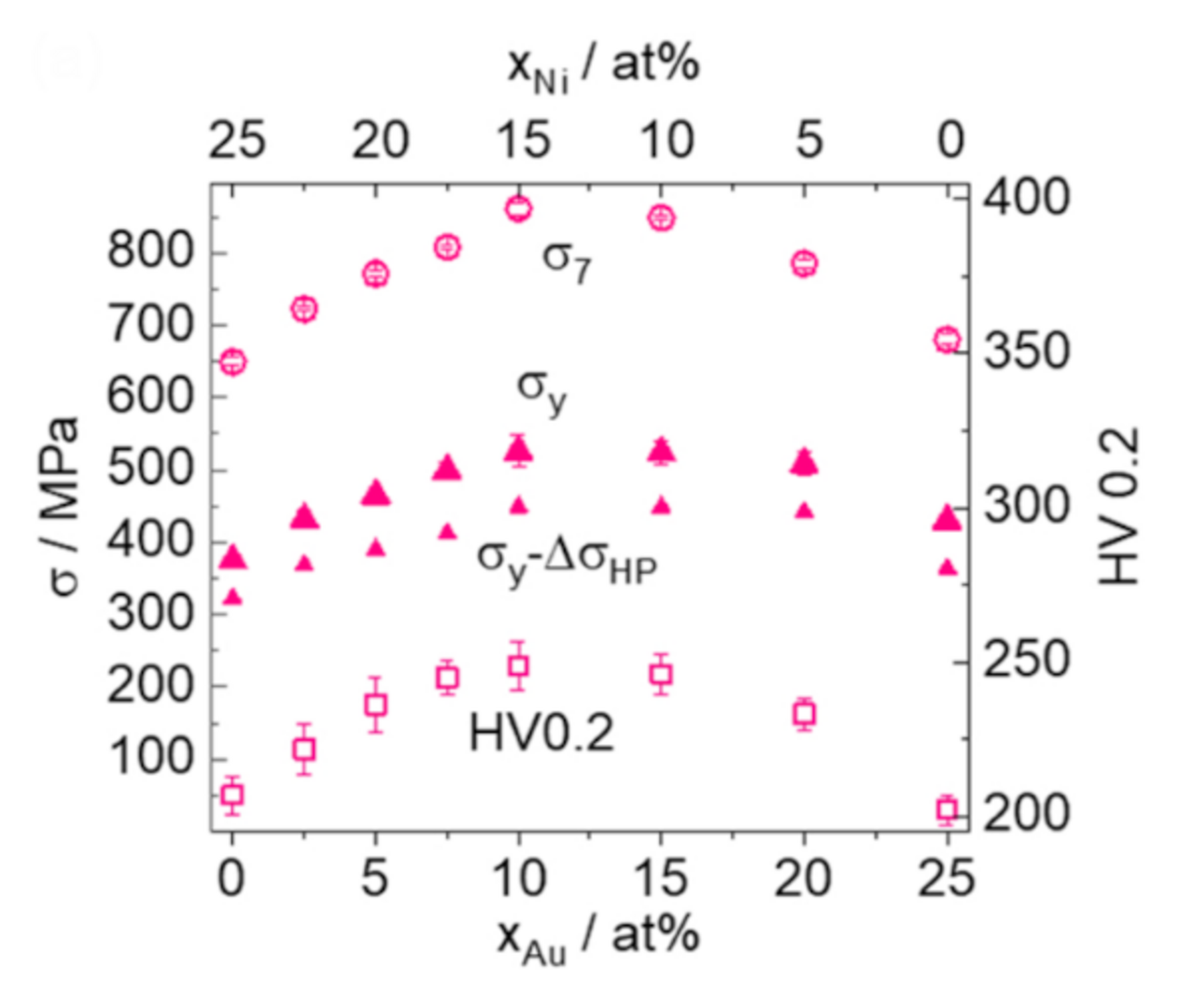
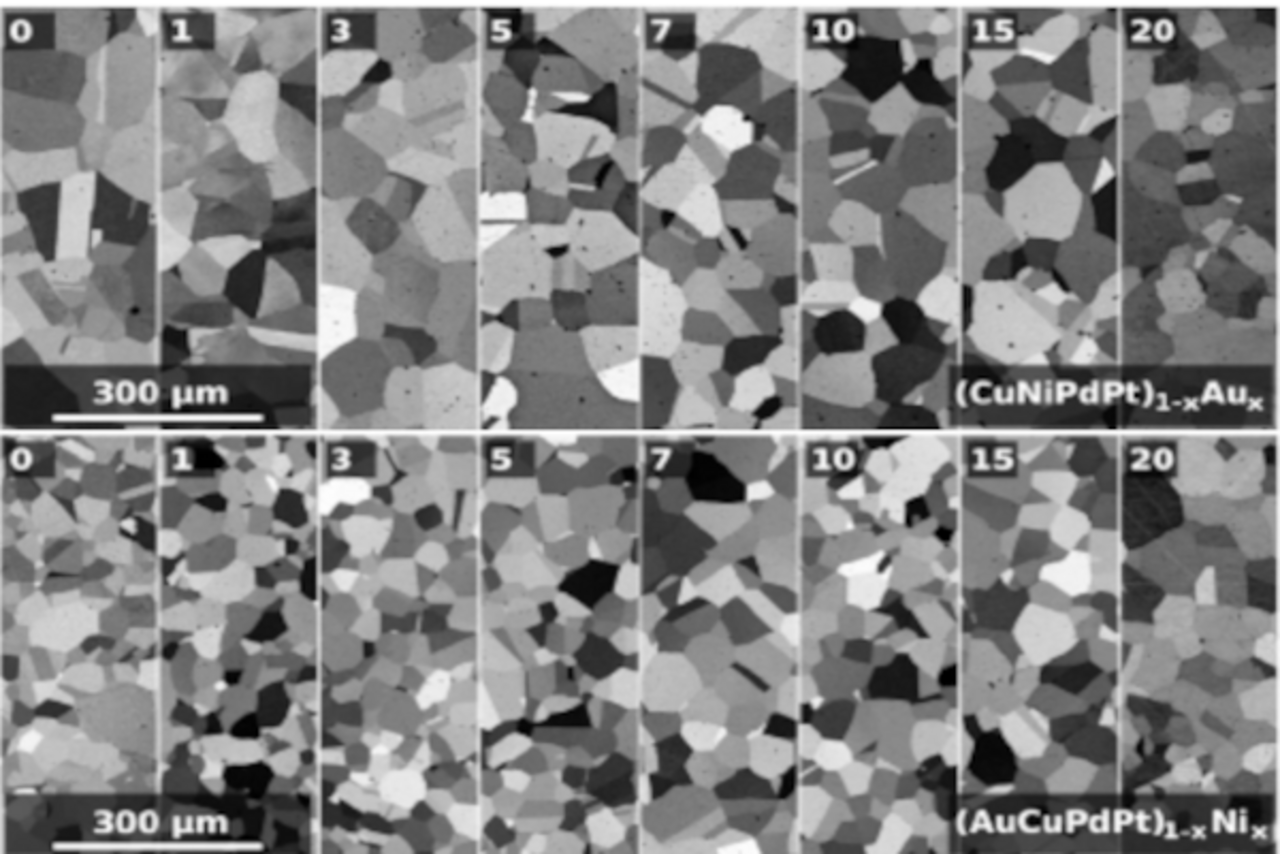
The Au-Cu-Ni-Pd-Pt system is an ideal benchmark system to investigate the composition-dependent effect on solid solution strengthening in multi-element alloys, in particular high-entropy alloys. It allows studying the strength for deliberately adjusted compositional variations without any phase transformations taking place. In this study, alloy series are produced, in which one element is gradually replaced by another while these two elements are additionally alloyed to an equimolar three-element solid solution. The variations in concentration x are as follows: AuxNi25-x(CuPdPt)75 and NixPt25-x(AuCuPd)75 (x = 0, 5, 10, 15, 20, 25 at%). A non-linear trend of strength vs. concentration x is observed with maximum values close to the equimolar ratio of the two interchanged elements. The observed behavior cannot be explained by the commonly accepted model for solid solution strengthening of Varvenne and co-workers. Possible reasons for the discrepancy between model and experiment are critically discussed.
S. Drescher et al. Materials Science & Engineering A 887 (2023) 145772
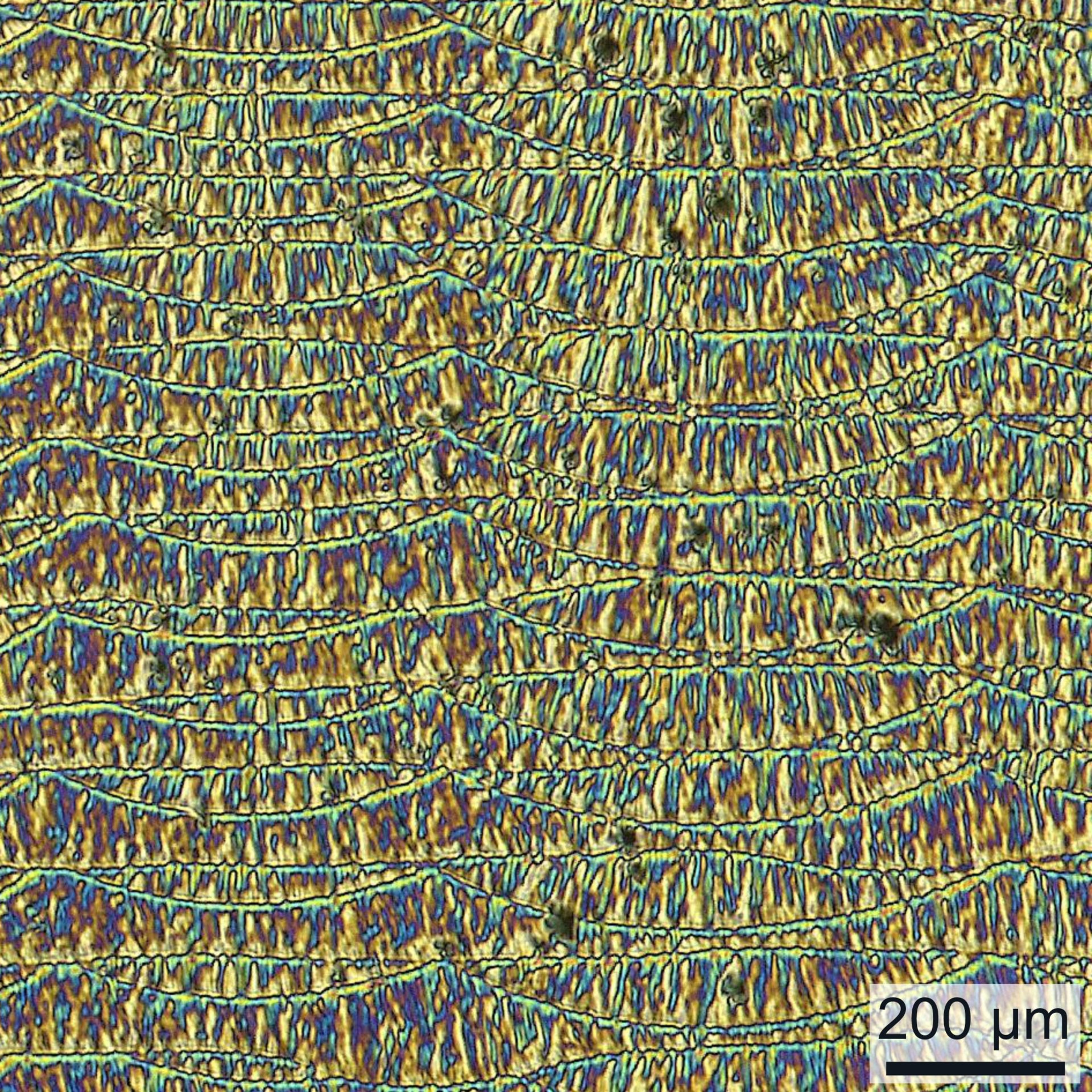
At high temperatures, homogeneous solid solutions are formed in AuCuNiPdPt and AuNiPdPt alloys while annealing below critical temperatures causes decomposition into two chemically different solid solutions. This particular circumstance is used to generate distinct variations in composition and to investigate their effect on the mechanical properties of AuCuNiPdPt and AuNiPdPt alloys. Various annealing treatments in terms of temperature and time lead to different microstructures allowing to evaluate the effect of the chemical compositions and their size on the mechanical properties. In any case, softening of the alloys is obtained. Moreover, the hardness is found to decrease with increasing amplitude of the concentration modulation and increasing size of the decomposed solid solutions. The results indicate that the effect of solid solutions on strength is not only dependent on solute-dislocation interactions but also affected by specific solute-solute interactions.
J. Freudenberger et al. Metals 7 (2017) 135
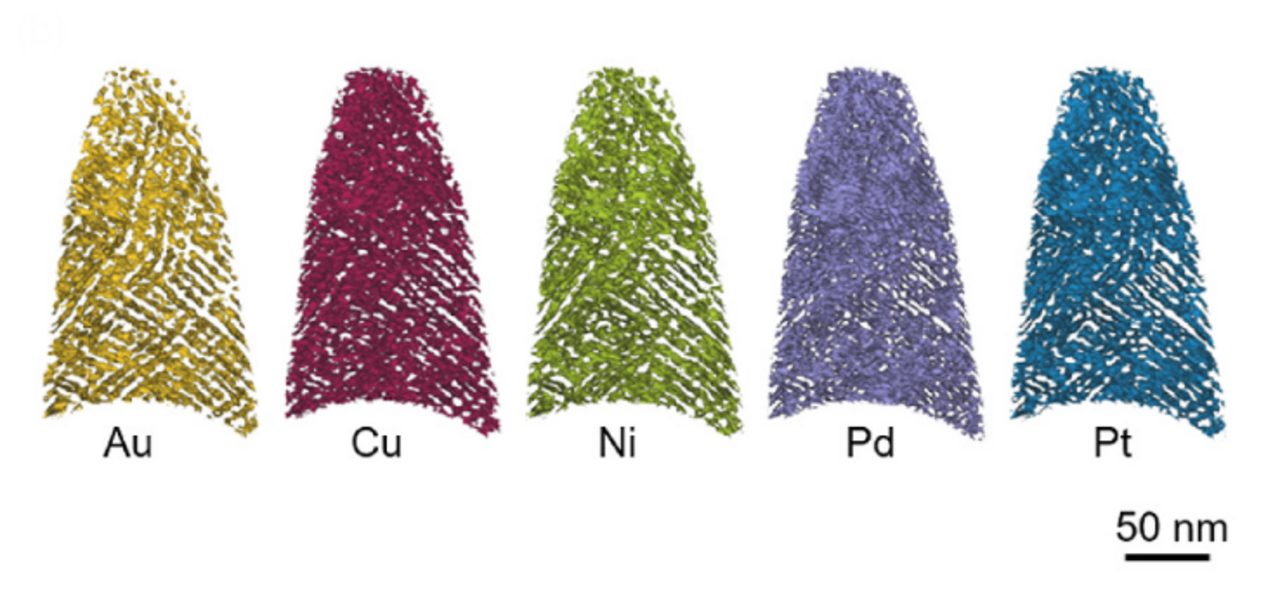
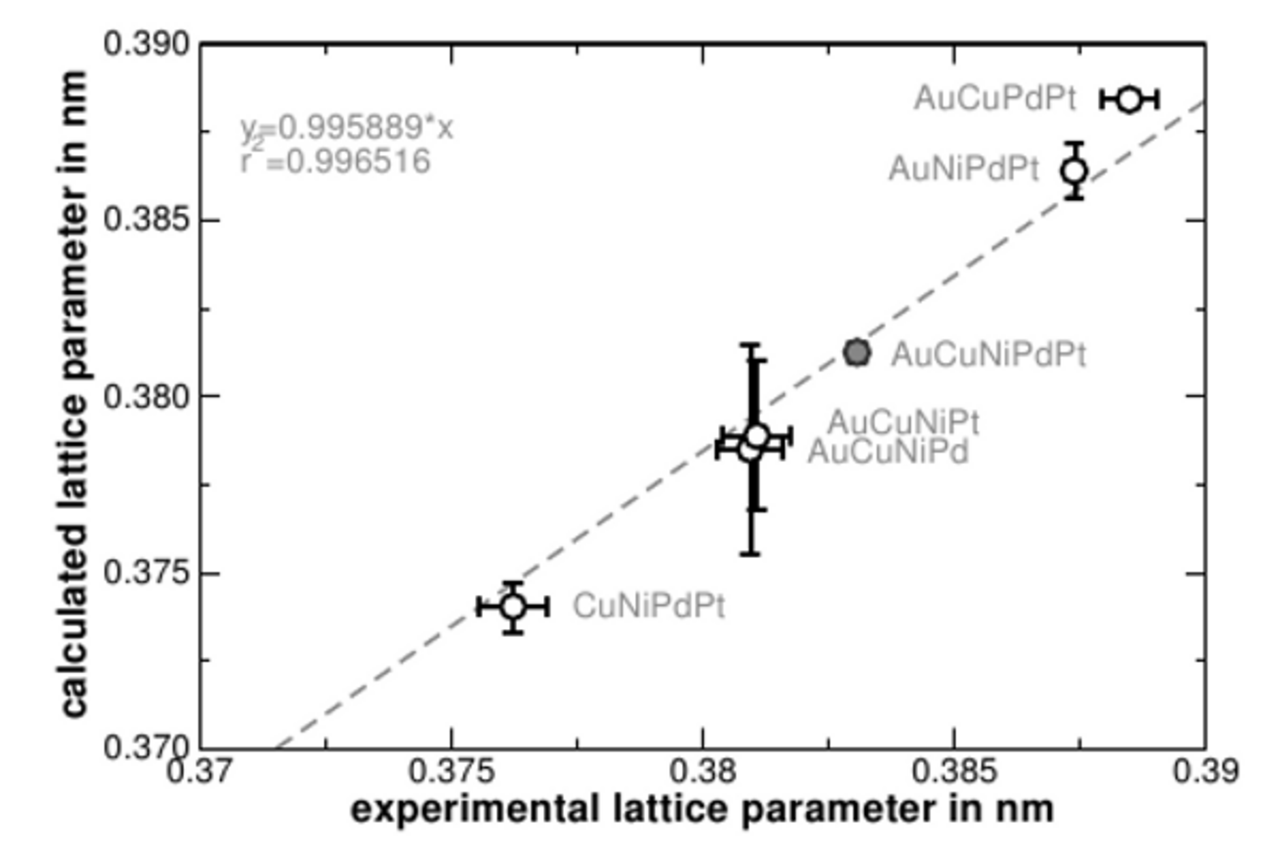
A single-phase solid solution is observed in quaternary and quinary alloys obtained from gold, copper, nickel, palladium and platinum. The lattice parameters of the alloys follow the linear rule of mixture when considering the lattice parameters of the elements and their concentration. The elements are a priori not homogeneously distributed within the respective alloys resulting in segregations. These segregations cause a large broadening of X-ray lines, which is accessed in the present article. This correlation is visualized by the help of local element mappings utilizing scanning electron microscopy including energy dispersive X-ray analysis and their quantitative analysis.
F. Thiel et al. Acta Materialia 185 (2020) 400–411
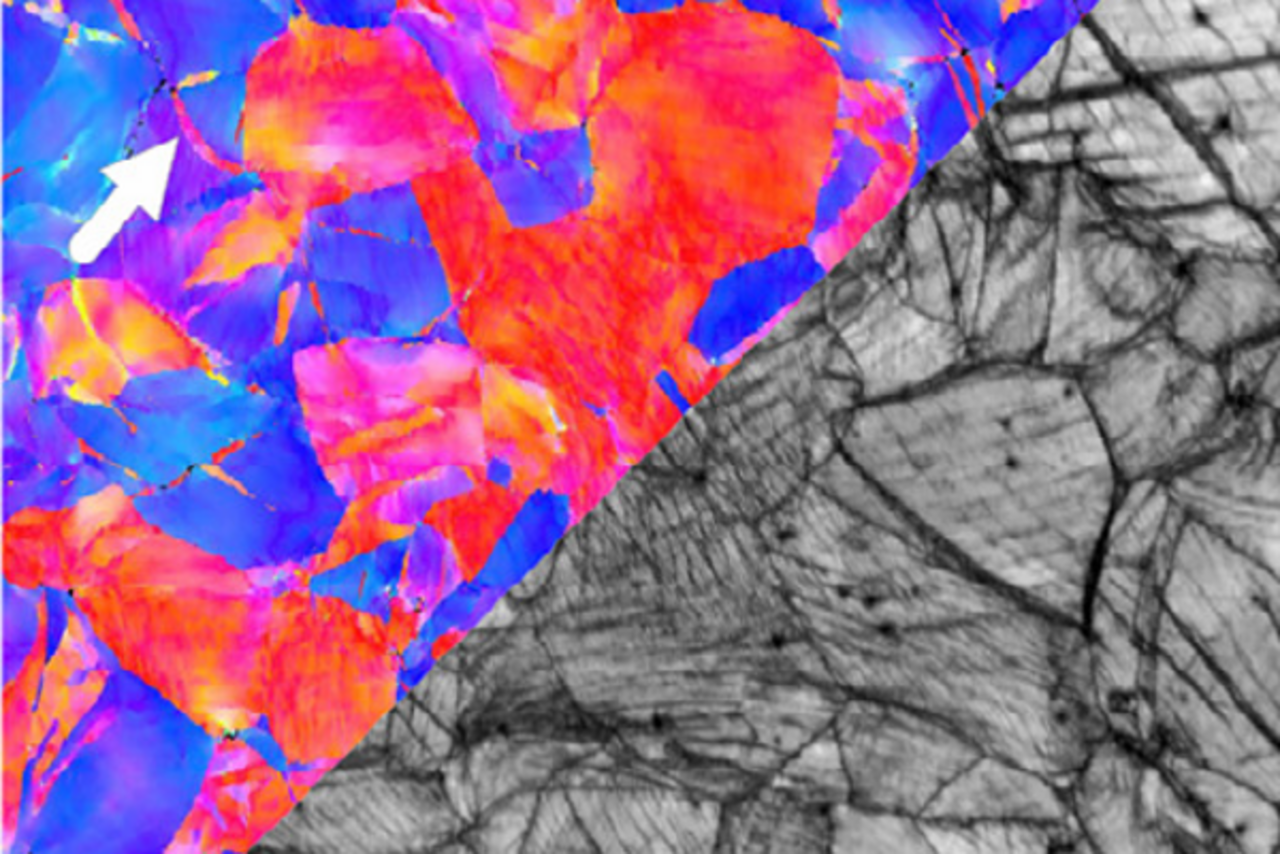
The precious metal based High-Entropy Alloy (HEA) AuCuNiPdPt crystallises in a face-centred cubic structure and is single phase without chemical ordering after homogenisation. However, a decomposition is observed after annealing at intermediate temperatures. This HEA shows extended malleability during cold work up to a logarithmic deformation degree of φ = 2.42. The yield strength ranges from 820 MPa in the recrystallised state to 1170 MPa when strain hardened by cold working with a logarithmic deformation degree of φ > 0.6. This work hardening behaviour is traced back to a steep increase in dislocation density as well as in deformation twinning occurring at low strain. The microstructure and the mechanical properties of AuCuNiPdPt are assessed in detail by various methods. EBSD and TEM analyses reveal mechanical twinning as an important deformation mechanism. The high strength in the recrystallised state is evaluated and found to originate predominantly upon solid solution strengthening.
F. Thiel et al. Scripta Materialia 18 (2020) 15–18
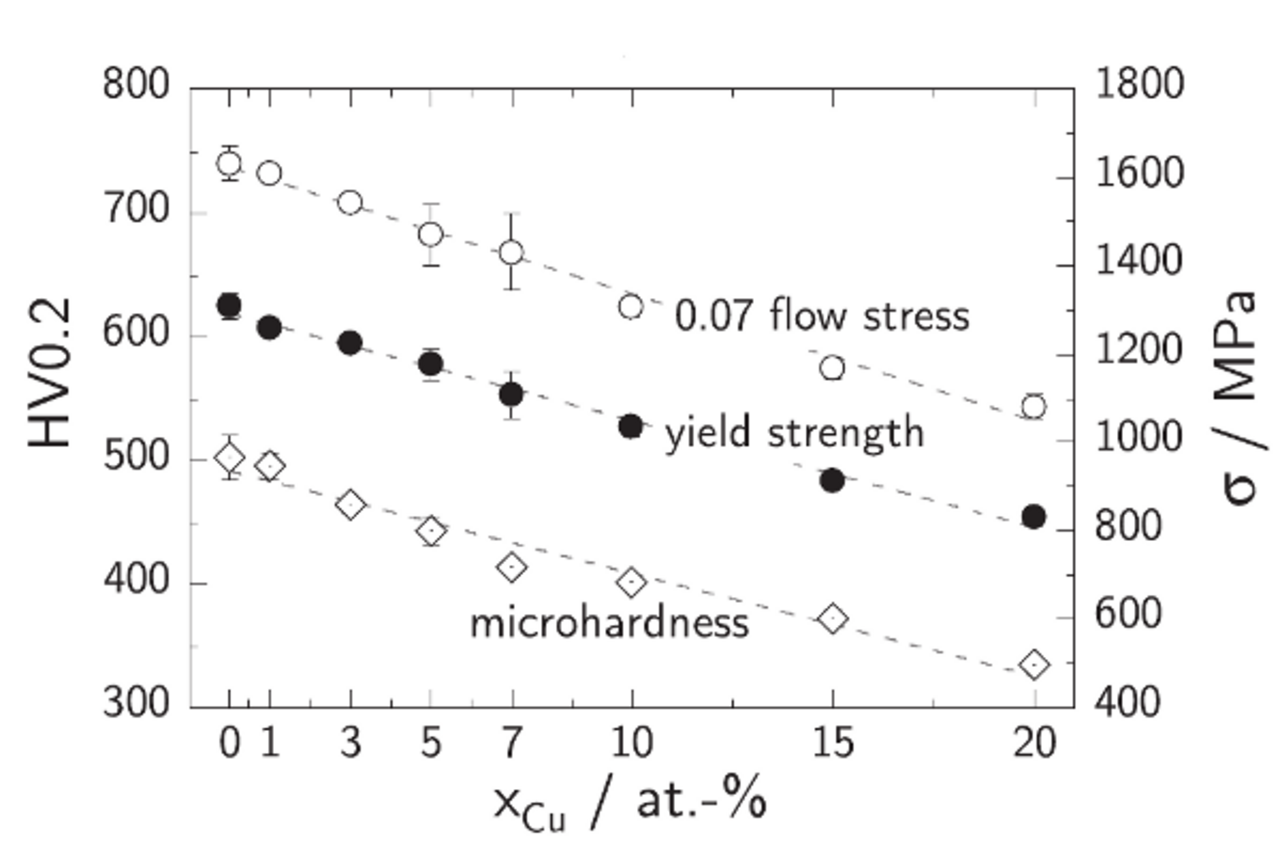
The compositional dependence of the yield strength σ y has been studied for a series of polycrystalline (AuNiPdPt )1−x Cux alloys by means of compression tests. σ y is found to decrease linearly with increasing Cu concentration. This behaviour is in contradiction to the generalised theory for solid solution strengthening in concentrated solid solutions provided by Varvenne et al. [1]. A breakdown of the scaling behaviour is found as σ y should be non-linear and slightly increasing when modifying the composition from AuNiPdPt to AuCuNiPdPt.
[1] C. Varvenne, A. Luque, W.A. Curtin, Acta Mater. 118 (2016) 164–176.
J. Freudenberger et al., Materials Science and Engineering A 861 (2022) 144271/1-11
A fundamental understanding of the strength of multi-component alloys relies on well-defined experiments accompanied by accurate modelling. Whilst much work has been done so far for equi-atomic alloys, little has been done to investigate the effect of solid solution strengthening for alloys with deliberately adjusted, non-equimolar composition that are varied in certain concentration steps, including particularly continuous changes between equimolar subsets of alloy systems. This systematic approach is a key tool to verify or falsify current theories for solid solution strengthening for highly concentrated alloys. Series of alloys where a fifth element is alloyed to an equi-atomic four component alloy were prepared from Au, Cu, Ni, Pd and Pt, respectively. All investigated alloys form a single-phase solid solution, which is proven on a wide range of length scale by means of XRD, SEM and APT measurements. The mechanical properties of the series are compared to the predicted yield stresses calculated upon the model of Varvenne et al., (2017). The present results highlight coincident and discrepant results between experiment and model.
S. Haas et al., Entropy 20 (2020) 654
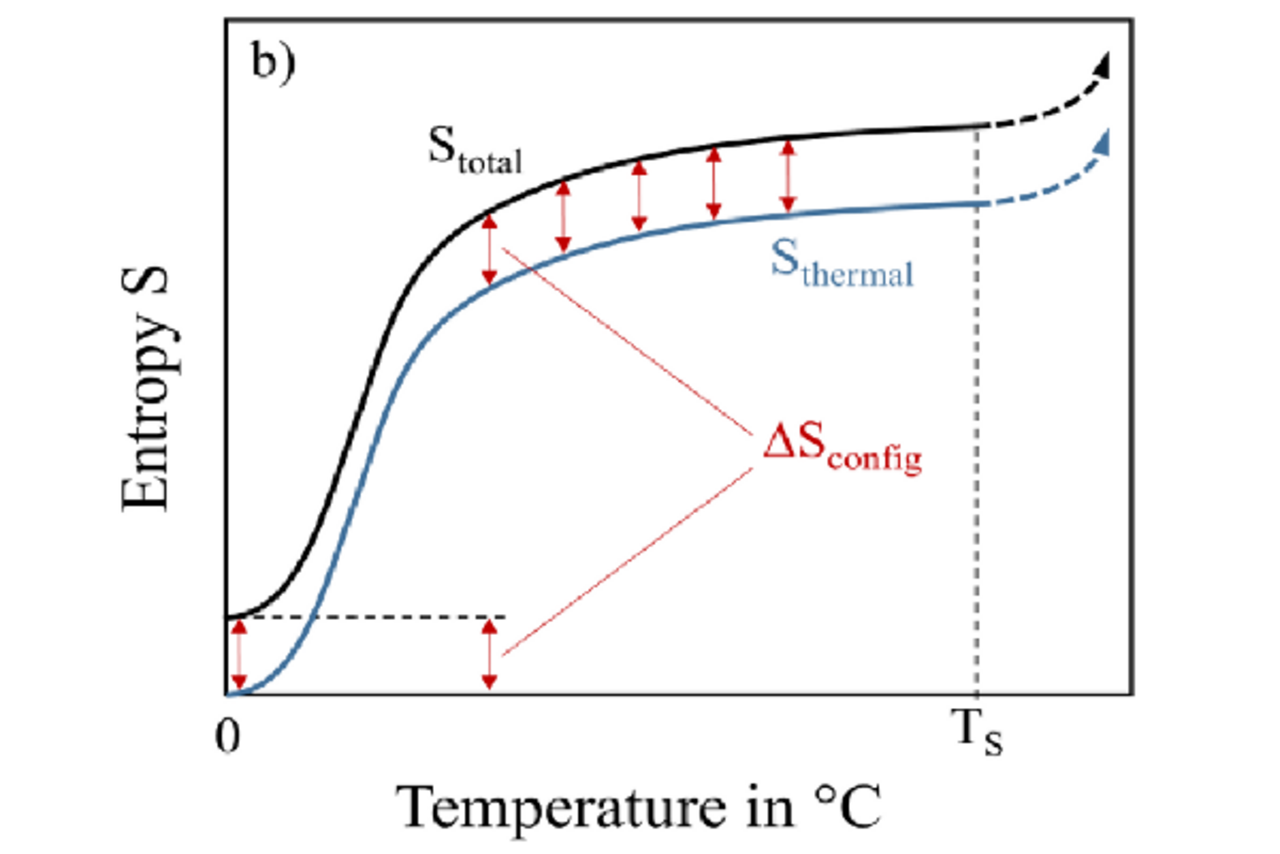
We determined the entropy of high entropy alloys by investigating single-crystalline nickel and five high entropy alloys: two fcc-alloys, two bcc-alloys and one hcp-alloy. Since the configurational entropy of these single-phase alloys differs from alloys using a base element, it is important to quantify the entropy. Using differential scanning calorimetry, cp -measurements are carried out from −170°C to the materials’ solidus temperatures TS . From these experiments, we determined the thermal entropy and compared it to the configurational entropy for each of the studied alloys. We applied the rule of mixture to predict molar heat capacities of the alloys at room temperature, which were in good agreement with the Dulong-Petit law. The molar heat capacity of the studied alloys was about three times the universal gas constant, hence the thermal entropy was the major contribution to total entropy. The configurational entropy, due to the chemical composition and number of components, contributes less on the absolute scale. Thermal entropy has approximately equal values for all alloys tested by DSC, while the crystal structure shows a small effect in their order. Finally, the contributions of entropy and enthalpy to the Gibbs free energy was calculated and examined and it was found that the stabilization of the solid solution phase in high entropy alloys was mostly caused by increased configurational entropy.
A.S. Tirunilai et al. Journal of Materials Research 33(19) (2018) 3287-3300
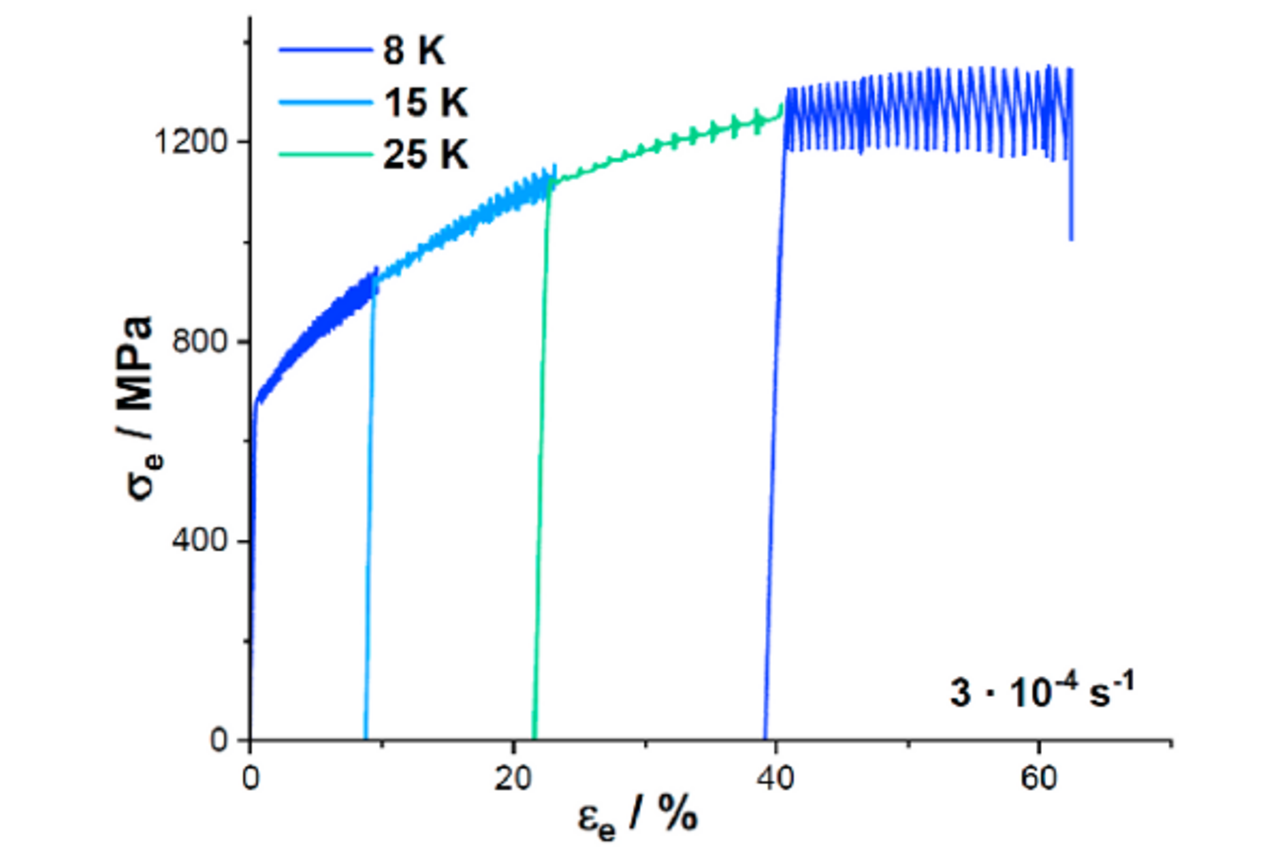
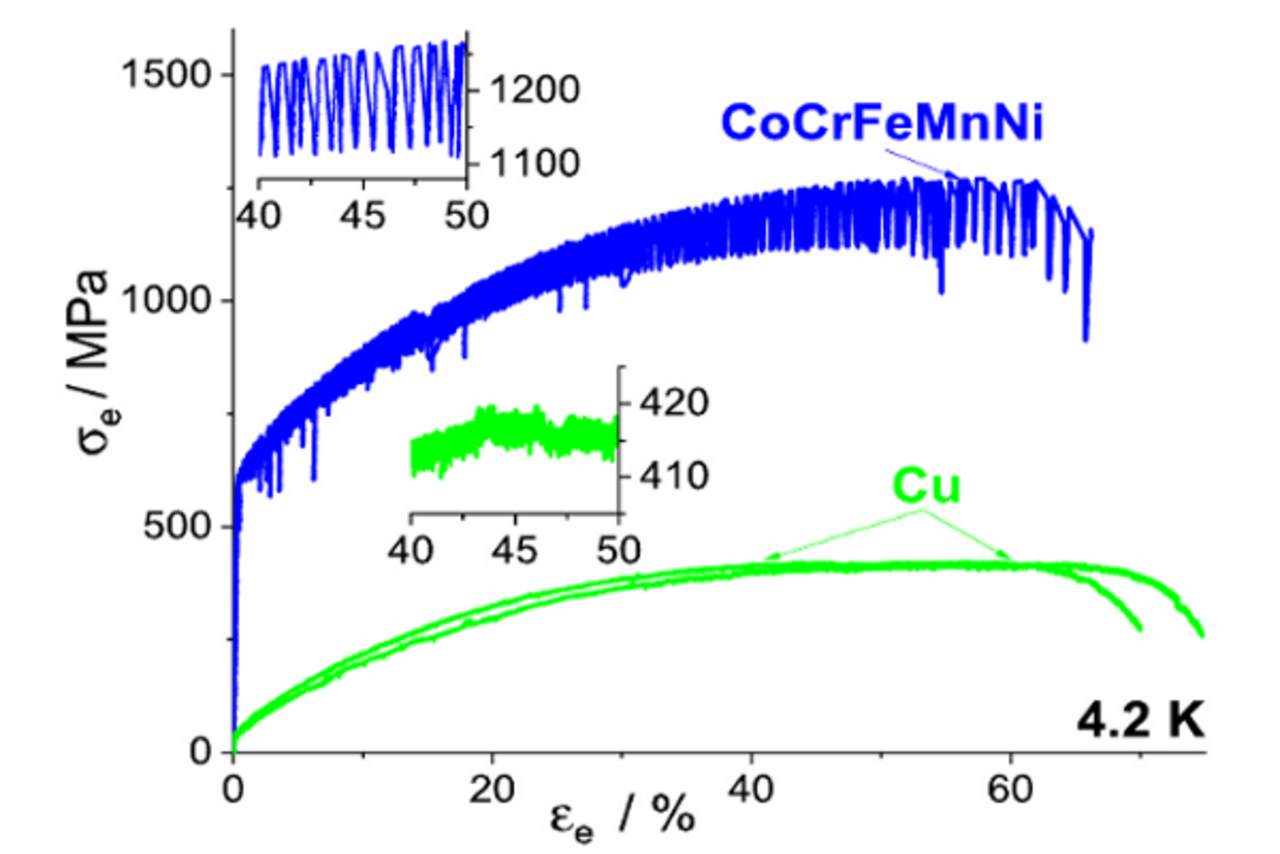
This contribution presents a comprehensive analysis of the low temperature deformation behavior of CoCrFeMnNi on the basis of quasistatic tensile tests at temperatures ranging from room temperature down to 4.2 K. Different deformation phenomena occur in the high-entropy alloy in this temperature range. These include (i) serrated plastic flow at certain cryogenic temperatures (4.2 K/8 K), (ii) deformation twinning (4.2 K/8 and 77 K), and (iii) dislocation slip (active from 4.2 K up to room temperature). The importance of deformation twinning for a stable work-hardening rate over an extended stress range as well as strain range has been addressed through the use of comprehensive orientation imaging microscopy studies. The proposed appearance of e-martensite as well as a previously uninvestigated route of analysis, essentially a quantitative time-dependent, strain-dependent, and stress-dependent evaluation of the serrated plastic flow in CoCrFeMnNi is provided.
A.S. Tirunilai et al., Materials Science & Engineering A 783 (2020) 139290
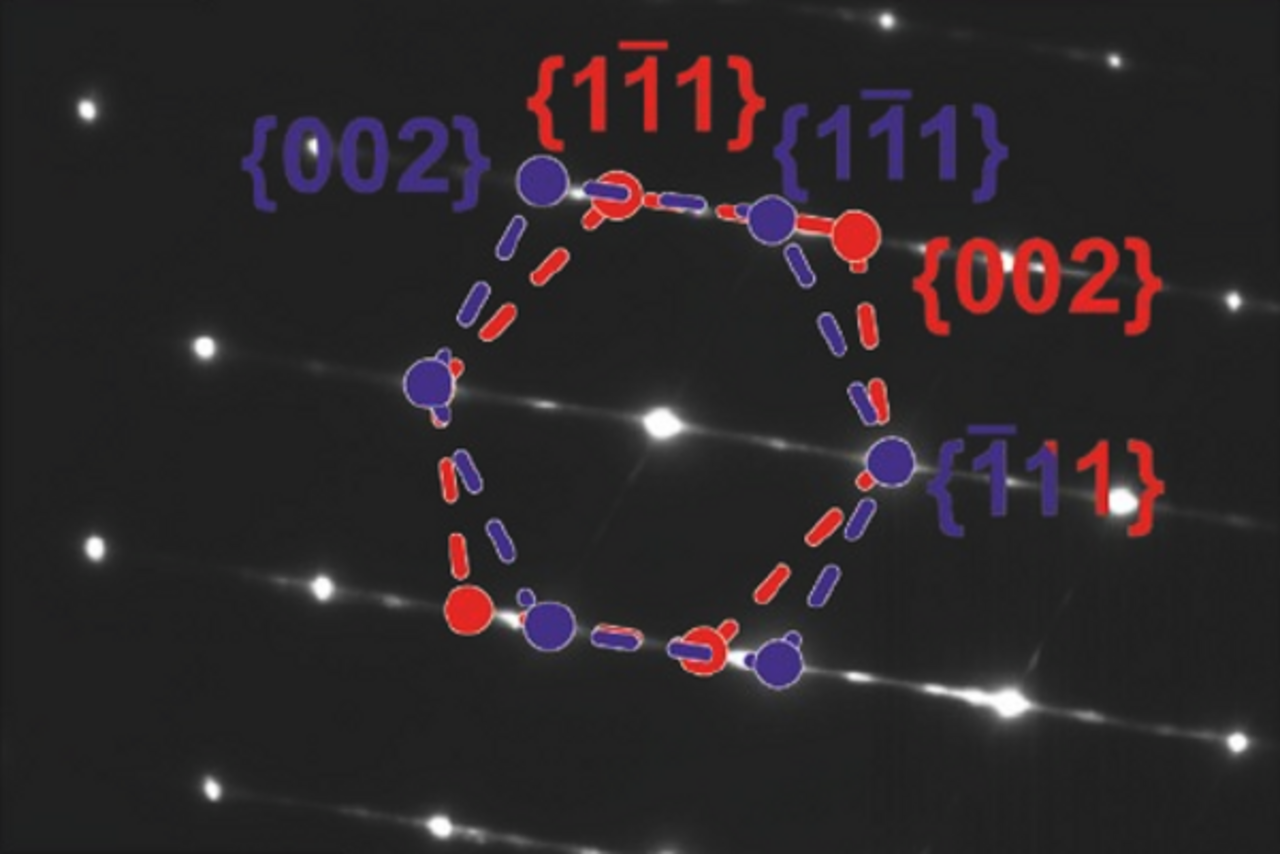
The current work compares the deformation behavior of CoCrFeMnNi and CoCrNi in the temperature interval between 295 K and 8 K through a series of quasi-static tensile tests. Temperature-dependent yield stress variation was found to be similarly high in these two alloys. Previous investigations only extended down to 77 K and showed that a small amount of ε-martensite was formed in CoCrNi while this phase was not observed in CoCrFeMnNi. The present study extends these investigations down to 8 K where similar low levels of ε-martensite were presently detected. Based on this result, a rough assessment has been made estimating the importance of deformation twinning to the strength. The relative work hardening rates of CoCrFeMnNi and CoCrNi were comparable in value despite the differences in ε-martensite formation during deformation. CoCrFeMnNi deforms by dislocation slip and deformation twinning while deformation in CoCrNi is also accommodated by the for mation of ε-martensite at cryogenic temperatures. Additionally, CoNi, a solid solution from the Co–Cr–Fe–Mn–Ni system with low strength, was used for comparison, showing contrasting deformation behavior at cryogenic temperatures.
K. Lu et al. Acta Materialia 215 (2021) 117089/1-12
Plastic deformation during low-cycle fatigue (LCF) in equiatomic face-centered cubic (FCC) CoCrFeMnNi high-entropy alloys (HEAs) is accumulated by dislocation substructure formation, which leads to crack initiation. Whilst these substructures have been reported before, little has been done to clarify their formation mechanisms and the effects of strain amplitude, cycle number and grain orientation. In this study, cyclic deformation behavior and microstructural evolution of CoCrFeMnNi were examined for two different grain sizes at room temperature. Microstructural investigations by transmission electron microscopy showed that, while the dislocation structures at low strain amplitude (0.3%) mainly consisted of planar slip bands, at higher strain amplitudes (0.5% and 0.7%), wavy-substructures including veins, walls, labyrinth and cells prevailed. Slip mode also changes from initially planar-slip to wavy-slip with cycle numbers. Dislocations in veins, walls, labyrinth and cells are found to have different Burgers vectors, suggesting that apart from wavy-slip, multiple-slip also contributes to their formation. Moreover, distinct dislocation substructure in grains is dictated more by the constraints from neighboring grains rather than by their orientation. Additionally, the formation of various dislocation structures in a single grain is also linked to the constraint effects from the neighboring grains.
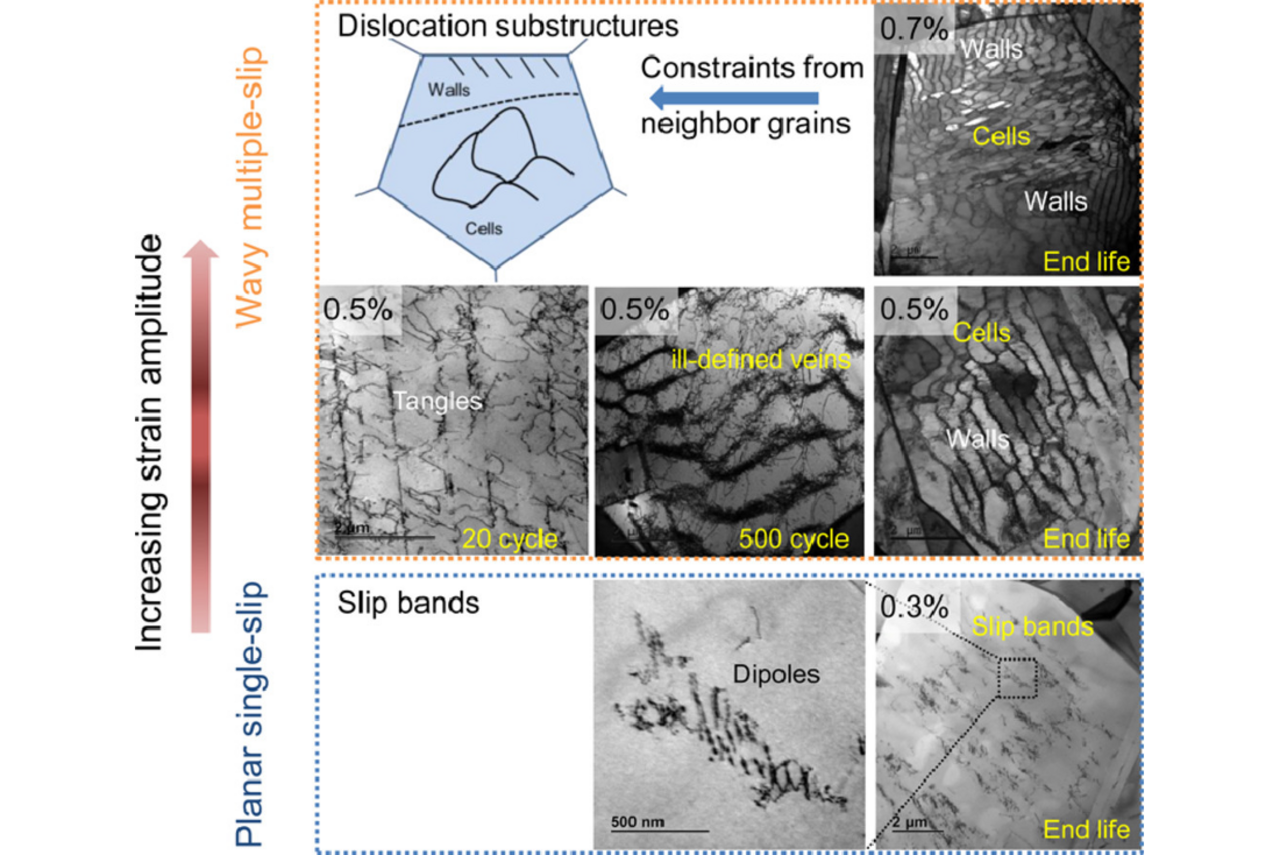
K. Lu et al., Materials Science and Engineering A 791, 139781/1-12 (2020)
In the present work, low cycle fatigue (LCF) behavior of an equiatomic CoCrFeMnNi high entropy alloy (HEA) is correlated to the microstructural evolution at 550°C. The fully reversed strain-controlled fatigue tests were conducted in air under strain amplitudes ranging from 0.2% to 0.8%. The measured cyclic stress response showed three distinct stages which include initial cyclic hardening followed by a quasi-stable cyclic response until failure. The rate and amount of cyclic hardening increased with the increase in strain amplitude. In comparison to common austenitic stainless steels, CoCrFeMnNi HEA shows comparable strength and improved LCF lifetime at similar testing conditions. Electron-microscopy investigations after failure reveal no noticeable change in grain size, texture and annealing twins density. Initial cyclic hardening is attributed to the dislocations multiplication and dislocation-dislocation as well as dislocation-solute atom interactions. The quasi-stable cyclic response is associated with the equilibrium between dislocation multiplication and annihilation, which also leads to the formation of complex dislocation structures such as ill-defined walls and cells, particularly at higher strain amplitudes. Besides, the material exhibits serrated plastic-flow due to interactions between mobile dislocations and diffusing solute atoms (such as Cr, Mn and Ni). Lastly, segregation in the form of Cr- and NiMn-enriched phases were observed near grain boundaries, which appears to have a detrimental effect on the fatigue life.
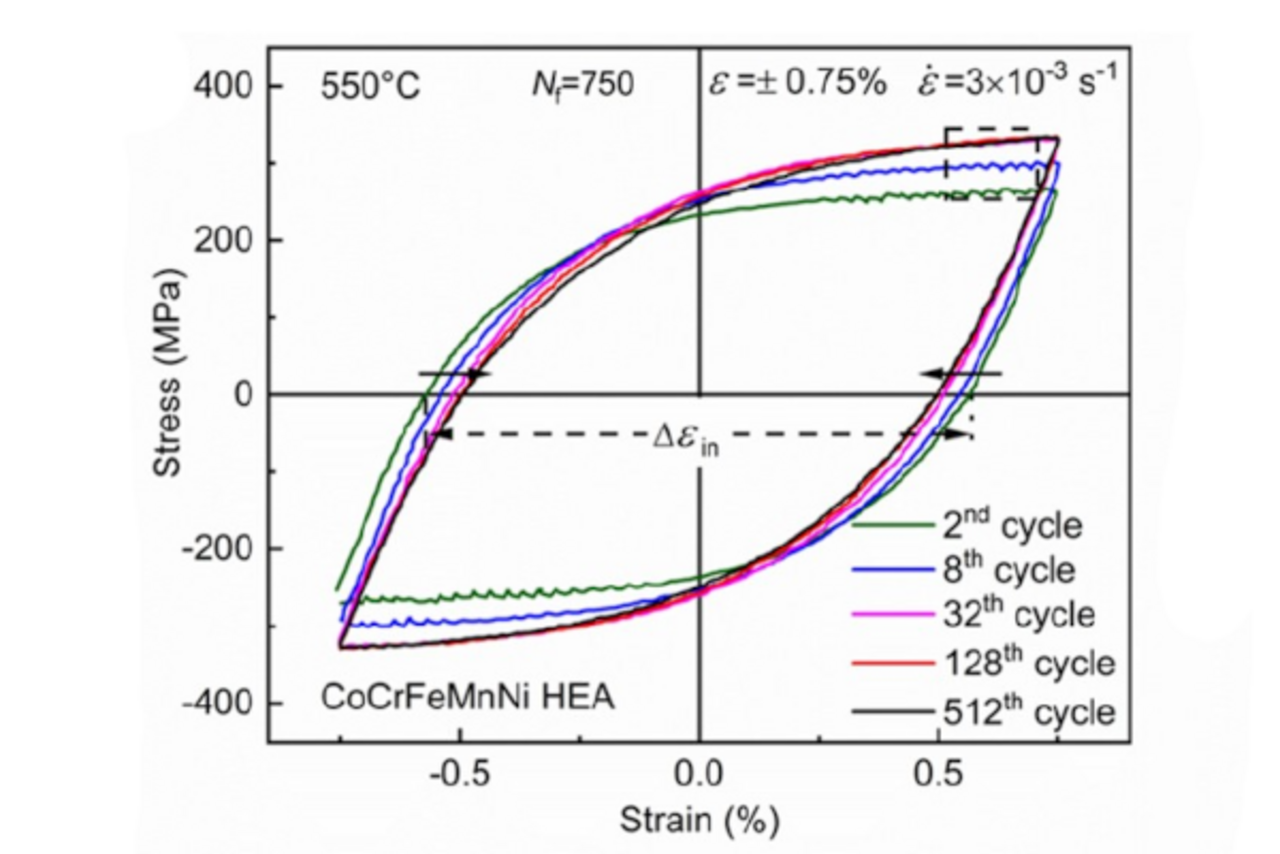
K. Lu et al., Journal of Materials Science & Technology 100, 237-245 (2022)
In the present study, the micro-mechanical behavior of CoCrFeMnNi high-entropy alloy was investigated using an in-house micro-tensile setup at room temperature and 550 °C at different strain rates. Micromechanical properties are compared with those obtained using a commercial macro-tensile setup to check a potential sample size effect. Results show that mechanical properties such as yield strength, ultimate tensile strength and uniform elongation are independent of the sample size. However, the total elongation-to-failure of micro-samples is found to be lower than those of macro-counterparts. Apart from this, the material exhibits serrated plastic flow, which is strain rate dependent in terms of the onset strain and shape of serrations at 550 °C. Furthermore, transmission electron microscopy investigations were performed to correlate the occurrence of serrations to the observed distinct dislocation structures. Microstructural results provide direct evidence that dislocations are curved and hence effectively pinned and unpinned at the lowest applied strain rate, which might be responsible for the occurrence of serrated plastic flow.
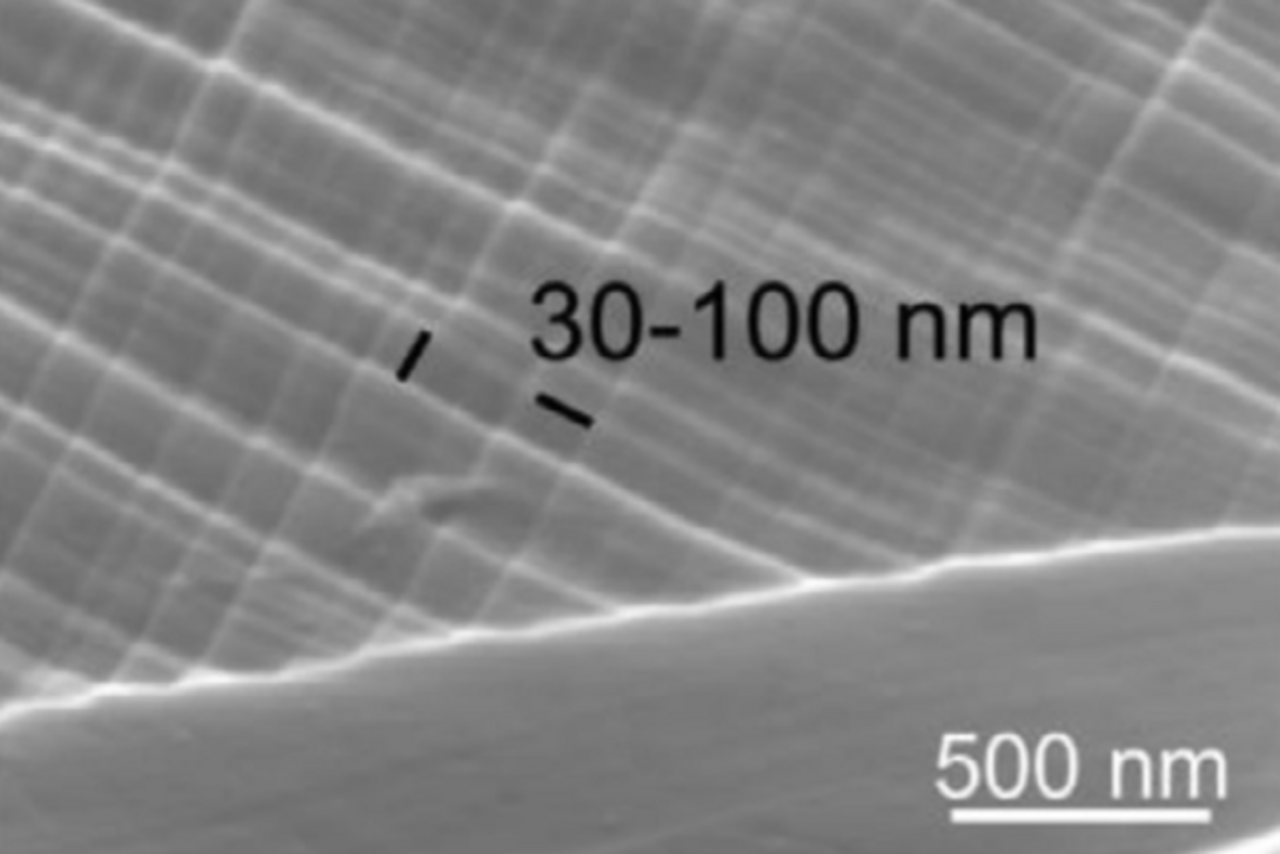
H. Thota et al. Journal of Alloys and Compounds 888 (2021) 161500/1-15
In the present study, strain-annealing based thermo-mechanical processing was employed to achieve a grain boundary engineered (GBE) microstructure in an equiatomic CoCrFeMnNi high entropy alloy (Cantor alloy) with a single phase, fcc structure. Cast, homogenized and recrystallized strips were cold rolled to 5%, 10% and 15% thickness reductions and annealed at temperatures from 1173 K to 1373 K for 1–6 h duration. Deformation twins were observed following cold rolling to 15%. From the deformed and annealed specimens, GBE microstructure was identified based on coincident site lattice (CSL) (Σ ≤ 29) boundary length fraction, number of twins per grain, triple junctions (TJs) character distribution and grain boundary plane orientations. Specimens rolled to 5% and annealed at 1223 K for 1 h exhibited GBE microstructure. The Σ3 fraction was enhanced from ~44% to ~62% in the GBE specimen with concurrent increments in TJs containing at least two CSL boundaries from ~20% to ~40% compared to as-recrystallized (AR) specimen. Potentiodynamic polarization studies revealed that the GBE specimen exhibited lower corrosion rate in both 0.1 M and 0.6 M NaCl solutions as compared to AR counterpart. The GBE specimen also displayed better passive film resistance due to higher polarization and charge transfer resistance, as evaluated from electrochemical impedance spectroscopy studies.
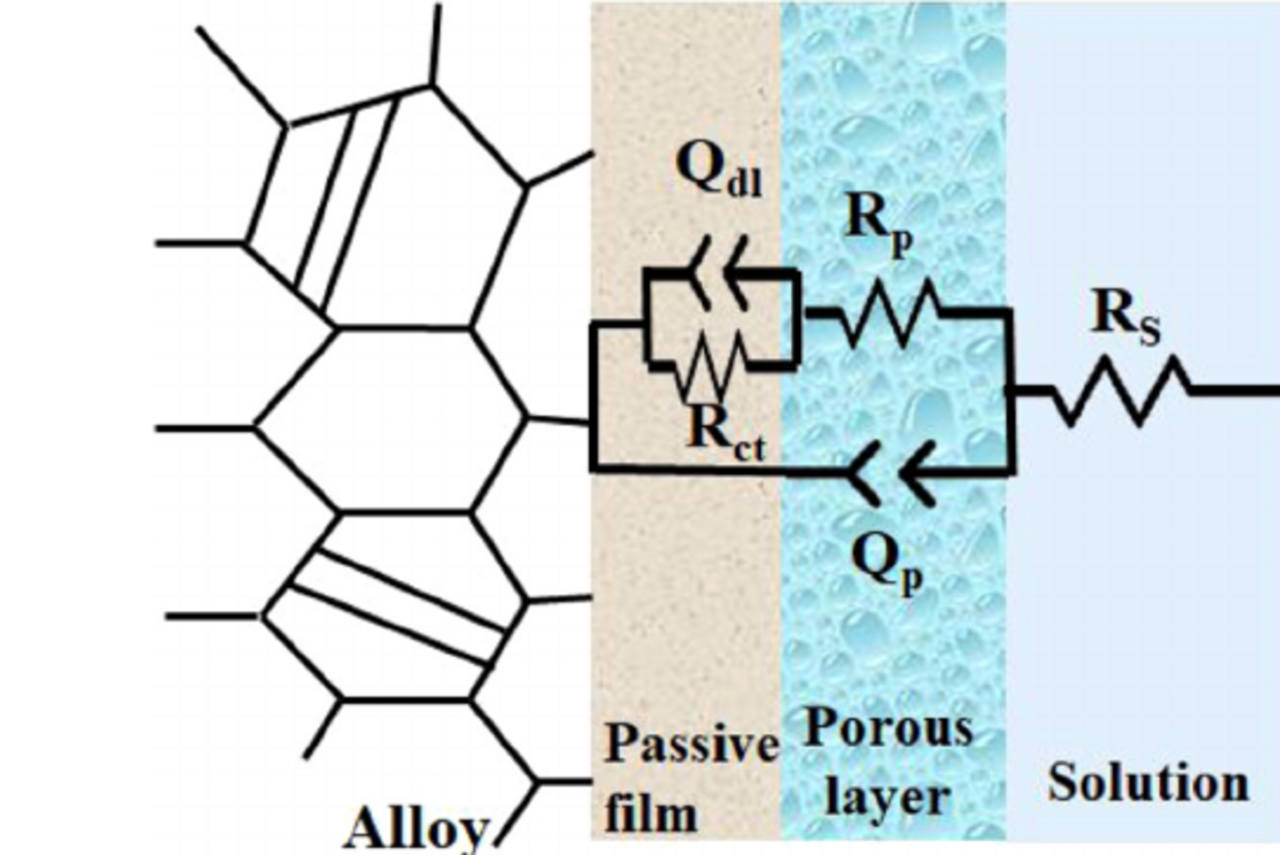
K. Lu et al. Scripta Materialia 194 (2021) 113667
We report on the low-cycle fatigue behavior of single-phase, face-centered cubic CoCrNi and CoCrFeMnNi at room temperature. Both alloys manifest cyclic hardening followed by softening and a near steady state until failure. CoCrNi exhibits higher strength, lower inelastic-strain, and longer lifetime than CoCrFeMnNi. For both alloys, microstructural investigations reveal no noticeable changes of texture, grain size and twin fraction. Nevertheless, CoCrNi exhibits planar dislocation structures, while CoCrFeMnNi shows well-defined wavy dislocation structures. This is due to CoCrNi lower stacking fault energy, which enhances planar slip and delays deformation localization leading to its superior fatigue resistance, compared to CoCrFeMnNi.
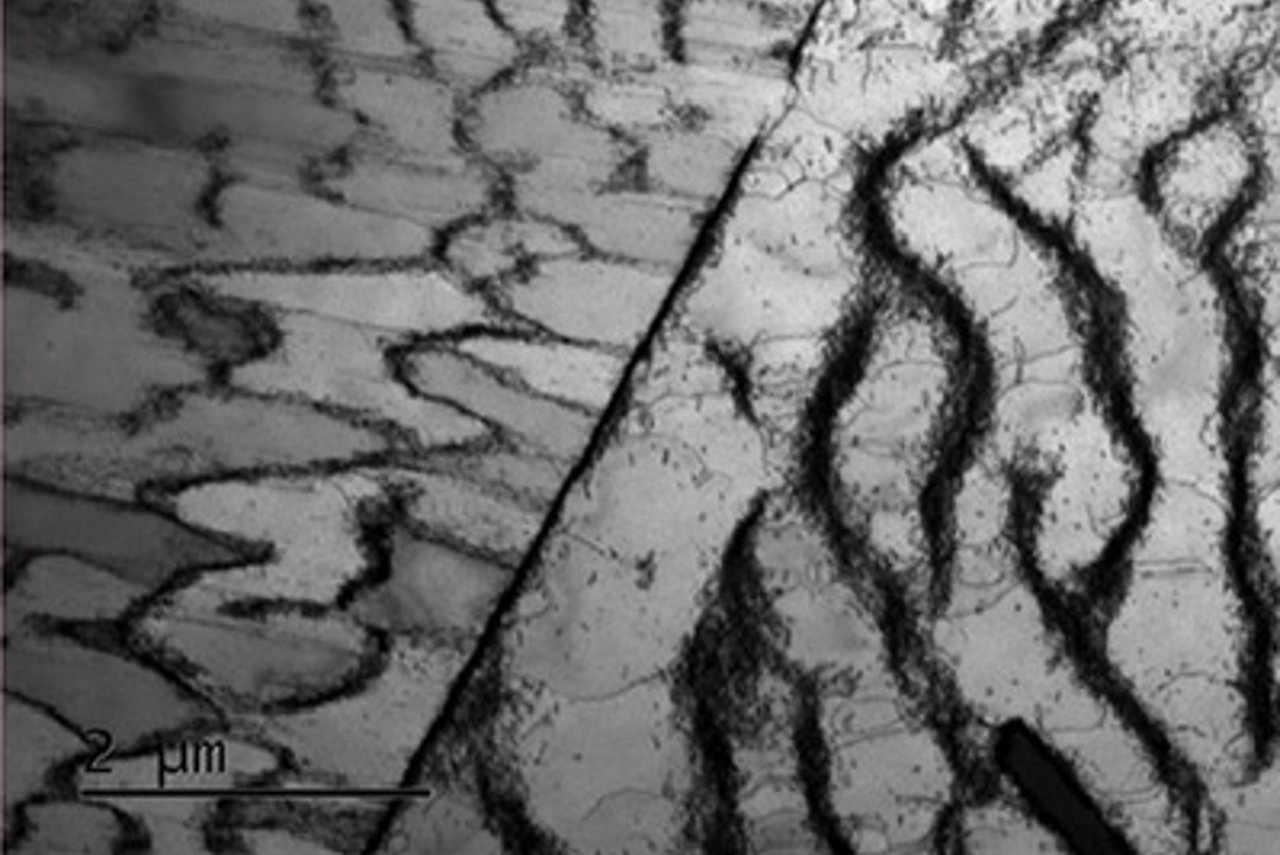
A. Srinivasan et al., Metals 12 (2022) 514
Serrated plastic deformation is an intense phenomenon in CoCrFeMnNi at and below 35 K with stress amplitudes in excess of 100 MPa. While previous publications have linked serrated deformation to dislocation pile ups at Lomer–Cottrell (LC) locks, there exist two alternate models on how the transition from continuous to serrated deformation occurs. One model correlates the transition to an exponential LC lock density–temperature variation. The second model attributes the transition to a decrease in cross-slip propensity based on temperature and dislocation density. In order to evaluate the validity of the models, a unique tensile deformation procedure with multiple temperature changes was carried out, analyzing stress amplitudes subsequent to temperature changes. The analysis provides evidence that the apparent density of LC locks does not massively change with temperature. Instead, the serrated plastic deformation is likely related to cross-slip propensity.