Contact: Prof. Jens Freudenberger
Our reseach activities are driven by metal forming and mechanical testing. Consequently, plasticity and the investigation of the (dominant) deformation mechanism ist at the heart of our activities. This is completed by in-depth microstructural analyses to image the mechanisms. Furthermore, a basic understanding of the underlying mechanisms is deepend upon results whereof some are listed below.
D. Geissler et al. Acta Materialia 59 (2011) 7711–7723
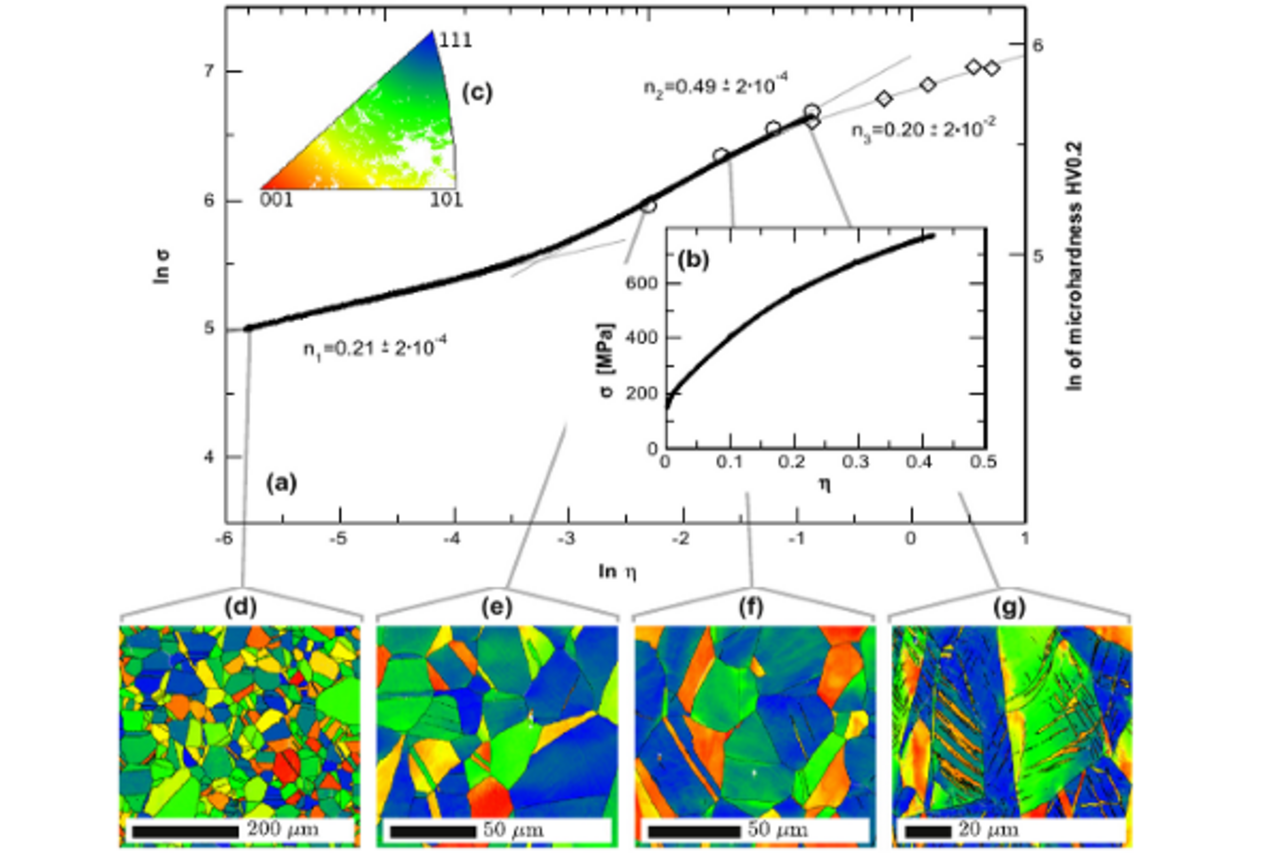
By comparing the microstructural and texture evolution with tensile stress–strain response of an Fe–24Mn–7Ni–8Cr (mass%) alloy, a slip-dominated deformation process and, at a later stage of deformation, twinning-induced plasticity are observed. The occurrence of deformation twinning is texture sensitive and occurs only in the h1 1 1i fibre texture component. Based on these experimental observations, a model is presented, which reflects an orientational and configurational peculiarity of face-centred cubic stacking faults bordered by two Shockley partials. With this model, the onset point of stacking fault growth, i.e. movement of the leading partial and stopping of the trailing partial, is evaluated. This point reflects the formation of twins in the sense that a twin is regarded as an arrangement of stacking faults on every consecutive slip plane. Furthermore, based on the tensile test results, a model-compatible description of the mechanical behaviour is shown and a reasonable stacking fault energy of about 8 mJ/m2 is calculated for the onset of partial dislocation breakaway, i.e. the onset of deformation twinning.
D. Geissler et al., Philosophical Magazine 94 (2014) 2967-2981
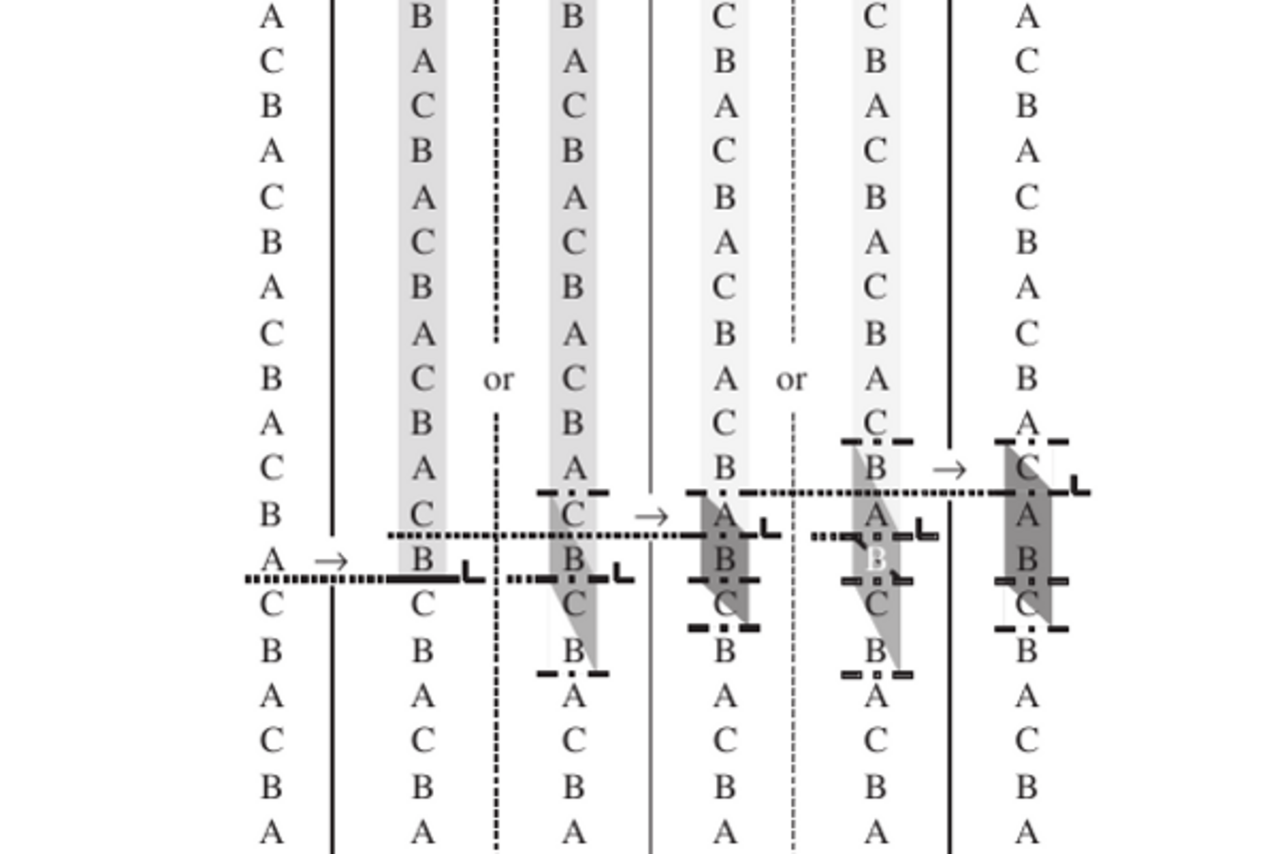
Especially with respect to high Mn and other austenitic TRansformation and/or TWinning Induced Plasticity (TRIP/TWIP) steels, it is a current trend to model the stacking fault energy of a stacking fault that is formed by plastic deformation with an equilibrium thermodynamic formalism as proposed by Olson and Cohen in 1976. In the present paper, this formalism is critically discussed and its ambiguity is stressed. Suggestions are made, how the stacking fault energy and its relation to the formation of hexagonal -martensite might be treated appropriately. It is further emphasized that a thermodynamic treatment of deformation-induced stacking fault phenomena always faces some ambiguity. However, an alternative thermodynamic approach to stacking faults, twinning and the formation of -martensite in austenitic steels might rationalize the specific stacking fault arrangements encountered during deformation of TRIP/TWIP alloys.
A. Kauffmann et al., Acta Materialia 59 (2011) 7816–7823
The effect of low-temperature on the active deformation mechanism is studied in pure copper. For this purpose, cryogenic wire drawing at liquid nitrogen temperature (77 K) was performed using molybdenum disulfide lubrication. Microstructural investigation and texture analysis revealed severe twin formation in the cryogenically drawn copper, with a broad twin size distribution. The spacing of the observed deformation twins ranges from below 100 nm, as reported in previous investigations, up to several micrometers. The extent of twin formation, which is significantly higher when compared to other cryo-deformation techniques, is discussed with respect to the state of stress and the texture evolution during wire drawing.
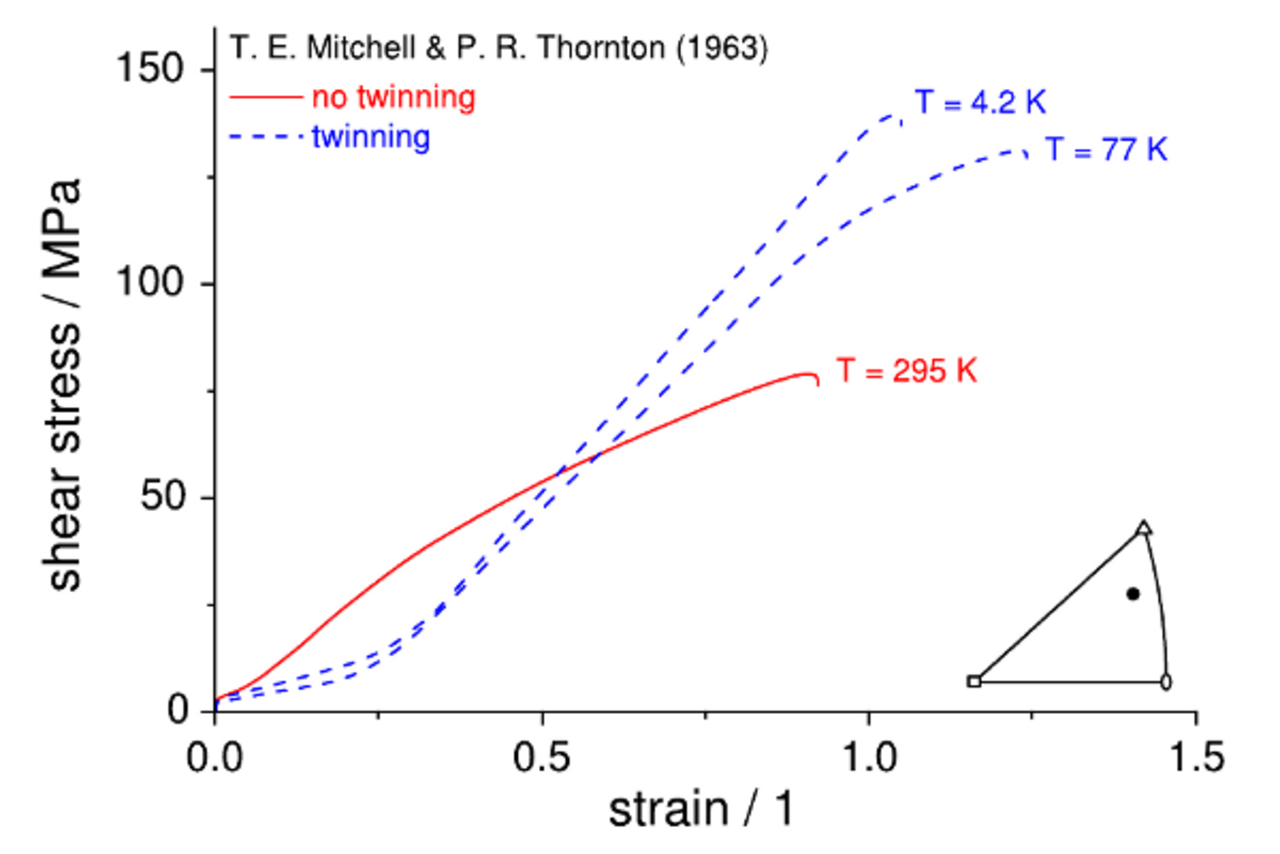
A. Kauffmann et al., Materials Science & Engineering A 588 (2013) 132–141
We present the work hardening behaviour, mechanical and electrical properties of pure copper subjected to wire drawing at 77 K and 295 K, respectively. The deformation per pass is increased up to true strain of 0.4 by adopting pressure die/drawing die combinations in order to optimize lubricant residuals of MoS2 on the wire surface at 77 K. The onset of deformation twinning for wire drawing at 77 K was found to be 0.3 and 0.4 for a true strain of 0.1 and 0.4 per pass, respectively. Twinning activity, texture strength and homogeneity are enhanced by increasing deformation per pass while the number of processing steps required for a certain deformation are reduced significantly. A considerably altered electrical conductivity, medium strength increase accompanied with a loss of ductility and a limited thermal stability suggest the formation of non-coherent twin boundaries or destructed twin orientation relationship in cryo-drawn wires. Evidence was found for the latter possibility by local investigation of deformation twins in the final stage of deformation.
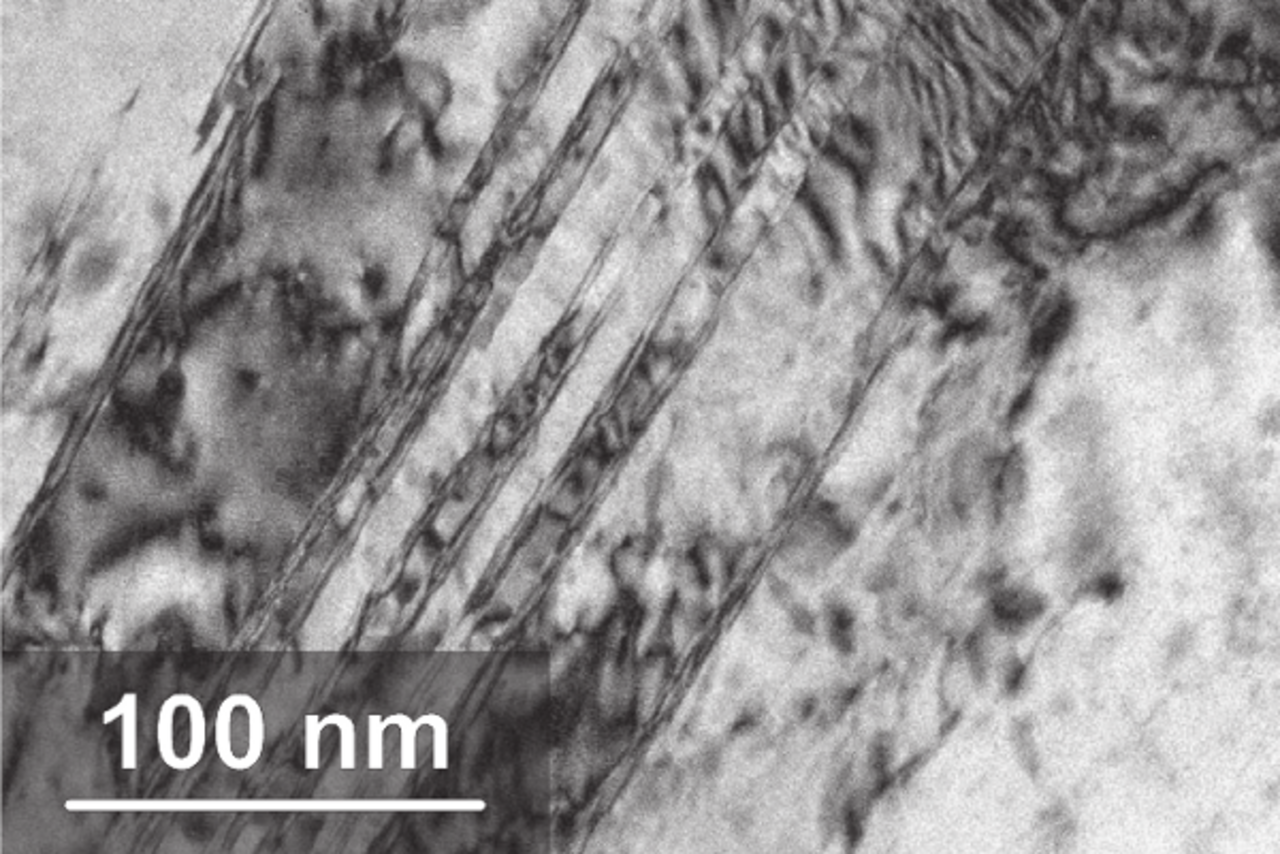
A. Kauffmann et al., Materials Science & Engineering A 624 (2015) 71–78
The microstructure of single phase copper alloys is altered by cold deformation. Depending on the processing parameters like temperature and intrinsic material parameters as stacking fault energy, the dominant deformation mechanism is different and the refinement of the microstructure bears other rates with respect to the deformation strain. The formation of deformation twins is activated at low homologous temperature or at low stacking fault energy. Both also lead to smaller grain sizes achieved at a certain deformation strain. Lowering the temperature only yields to a high efficiency in strain hardening with respect to room temperature deformation for intermediate stacking fault energies. The maximum efficiency is found to occur in the vicinity of the onset of deformation twinning at room temperature which was found for a stacking fault energy of 30 mJ/m2. The thermal stability of the microstructure is assessed by means of in situ resistivity measurements.
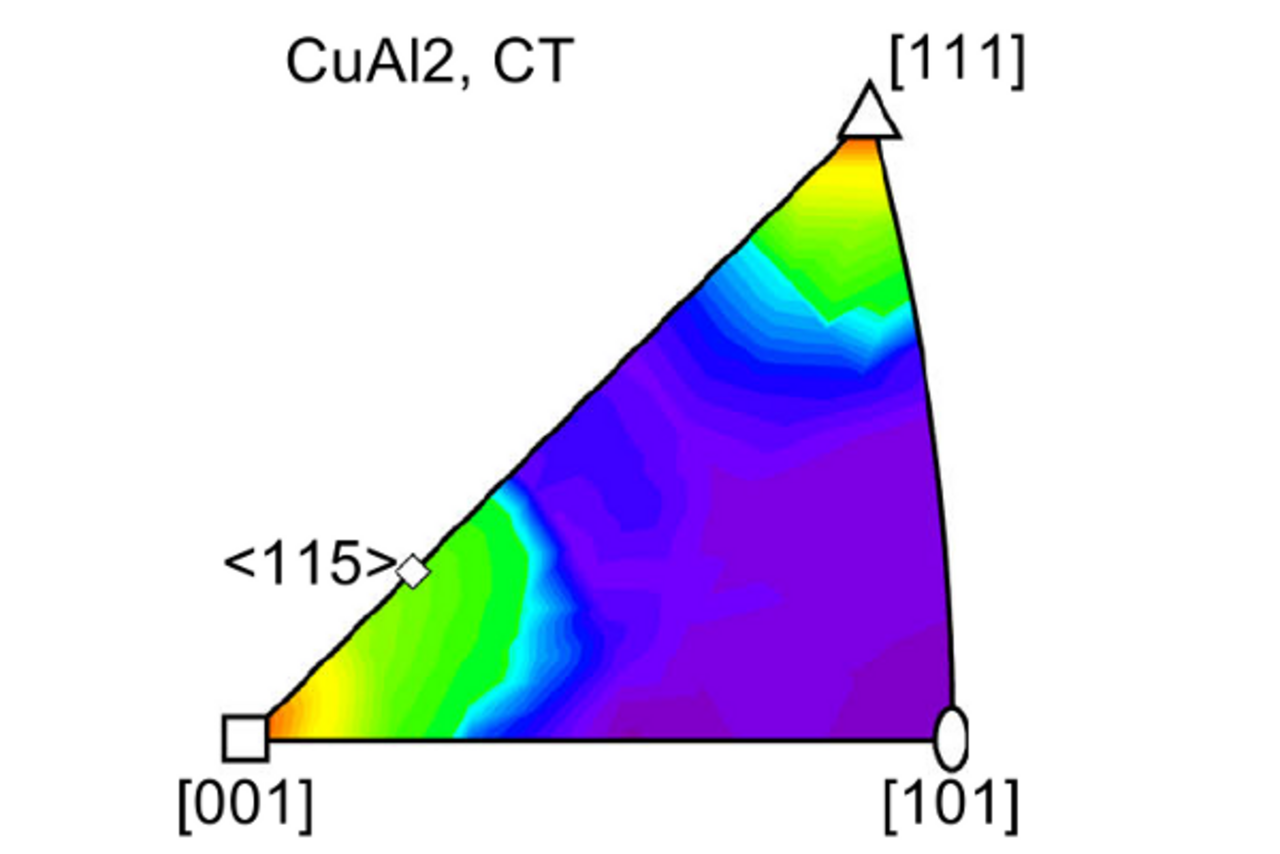
C.-G. Oertel et al. Scripta Materialia 65 (2011) 779–782
The tensile deformation behaviour of an extruded, polycrystalline YCu intermetallic compound was investigated from room temperature down to 77 K. A stress-induced martensitic transformation of the cubic B2 to the orthorhombic B27 phase was observed. The increasing amount of B27 phase with decreasing temperature leads to a decrease in ductility. A drastic decrease sets in at about 160 K when thermally induced martensite is formed, characterizing the brittle-to-ductile transition of YCu. Reasons for the relatively high ductility above 160 K are discussed.
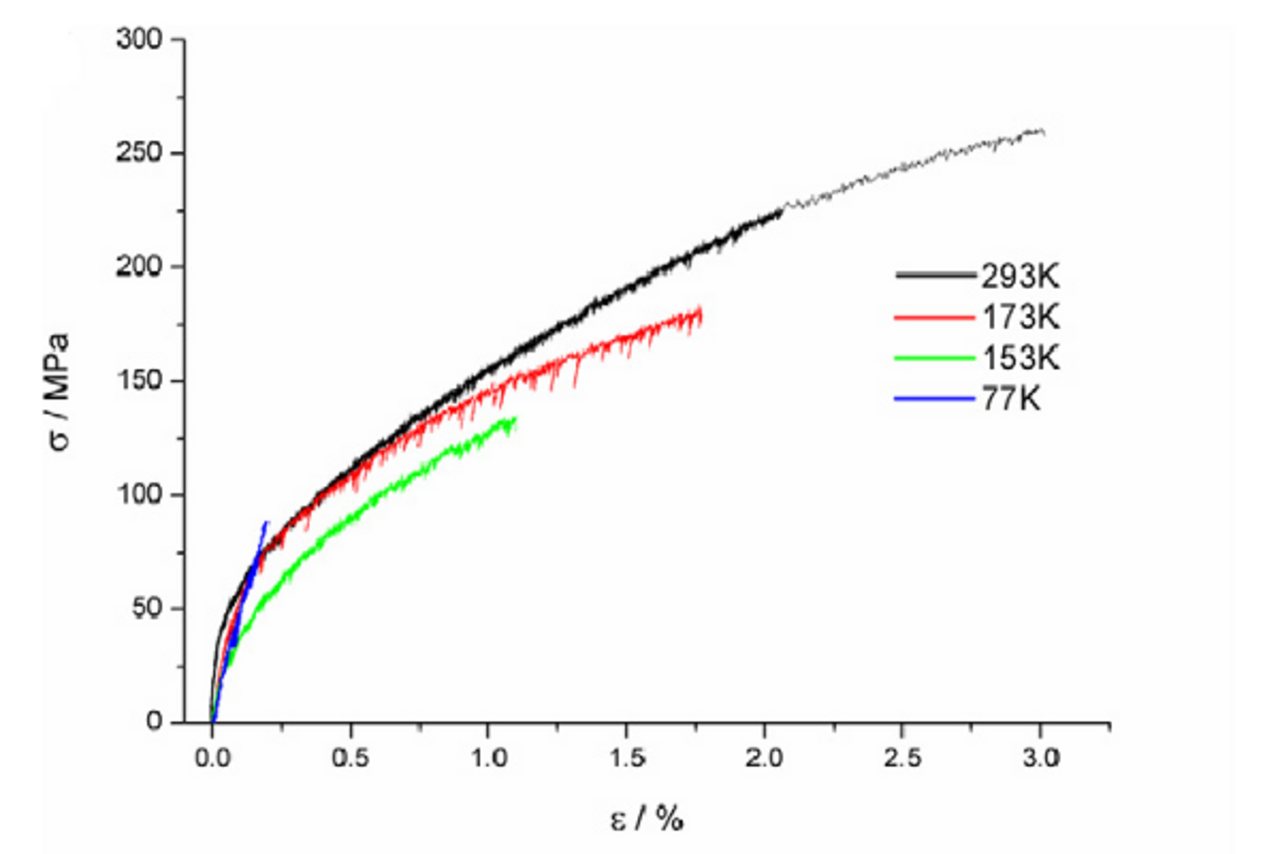
R. Schaarschuch et al. Acta Materialia 151 (2018) 149e158
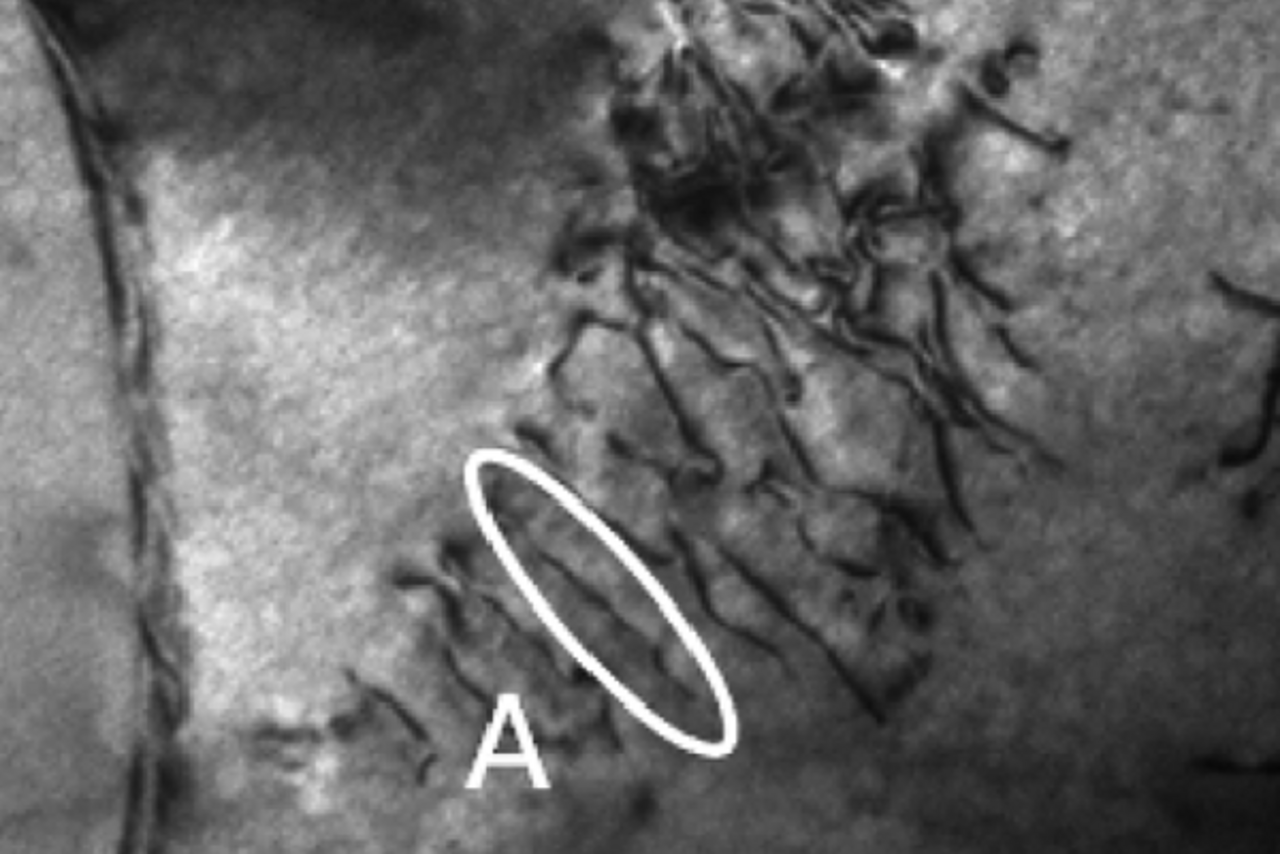
The most ductile rare earth intermetallic compound, YAg, was subjected to an thermal activation analysis at low temperatures down to 4 K. Evaluation of the activation parameters and their dependence on stress and temperature yields strong indication for forest dislocation cutting as the rate-controlling deformation mechanism, similar to face-centered cubic metals. Surprisingly, nil temperature ductility was observed. Together with results of a detailed TEM analysis of the active slip systems it is concluded that, despite of violating the von Mises criterion for the plastic deformation of polycrystalline materials, a low elastic anisotropy and/or low Peierls stress is responsible for the appreciable ductility at low temperatures. This finding may help to search for other ductile systems in the broad class of intermetallic compounds.
R. Schaarschuch, et al. Scripta Materialia 186 (2020) 95–98
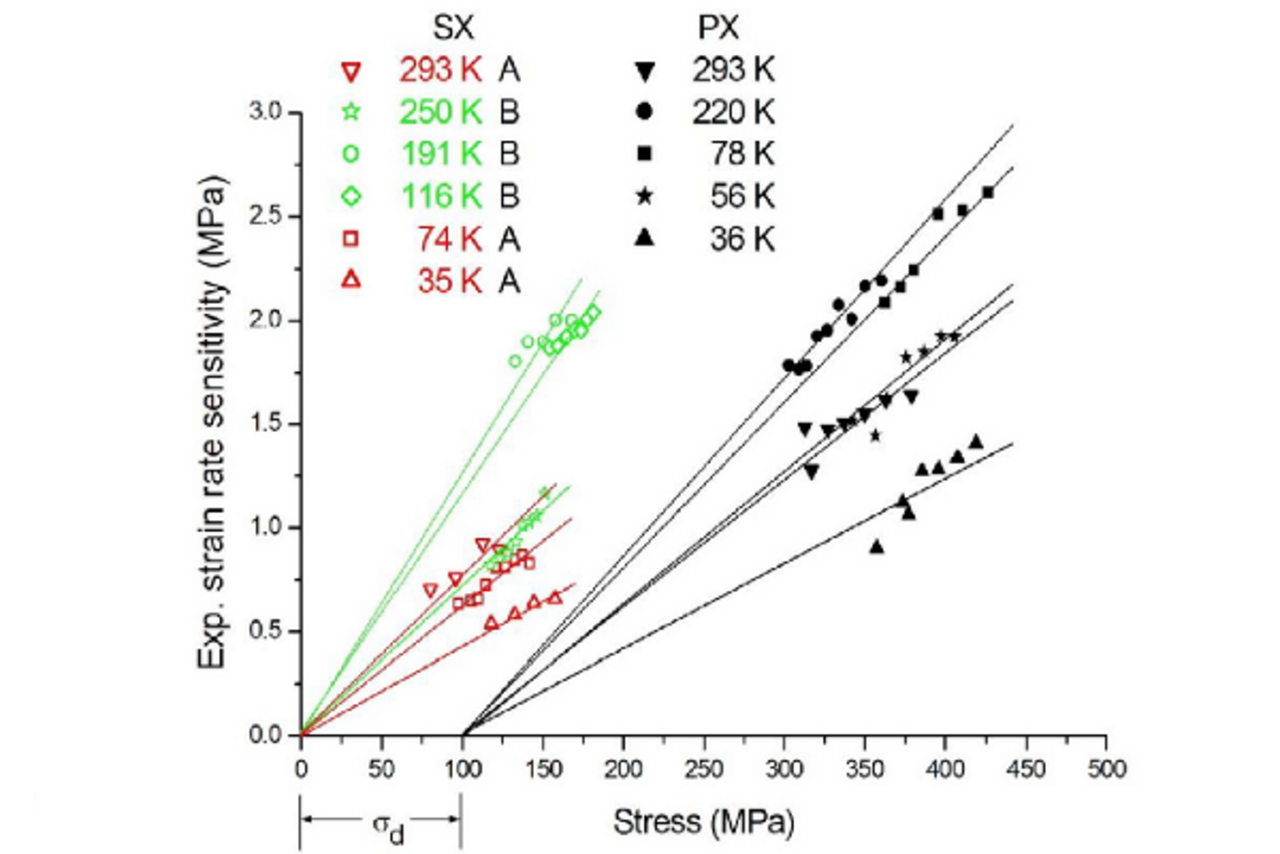
YAg belongs to the family of B2-type rare earth intermetallic compounds that in polycrystalline form exhibit moderate low temperature ductility. In this work, YAg single crystals have been deformed at low temperatures down to 4 K. The activation parameters and their dependence on stress and temperature, as well as the comparison with the deformation behavior of polycrystalline YAg, indicate that the cutting of forest dislocations is the rate-controlling deformation mechanism, similar to face-centered cubic metals. The results suggest that the low yield stress and high work-hardening rate observed cause the moderate ductility at low temperatures.
D. Schliephake et al., Journal of Alloys and Compounds 924, 166499/1-11 (2022)
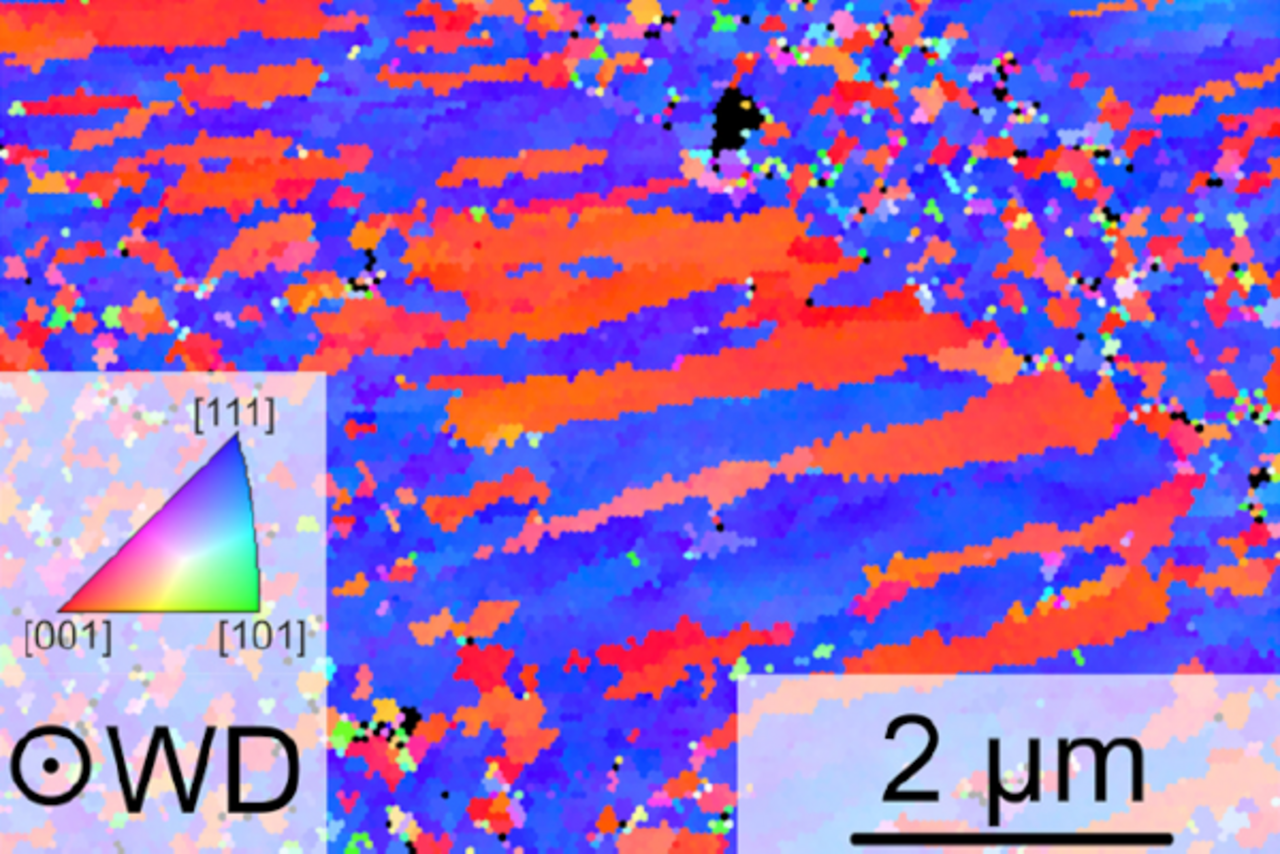
An Al-Mn-Mg-Sc-Zr alloy was additively manufactured and subsequently deformed to investigate the effect of high defect densities on the precipitation behavior, work hardening capability and ductility. For this, the LPBF-fabricated alloy was deformed by rotary swaging up to a true strain of 2.5 following a laser powder bed fusion (LPBF) process. Compared to the LPBF condition, swaging results in a refinement of the microstructure by one order of magnitude and an increased hardness and ultimate tensile strength (UTS) which is mainly attributed to the finer microstructure of the swaged alloy. By annealing, a higher peak-aging hardness of (209 ± 2) HV0.1 and UTS of (717 ± 2) MPa of the swaged alloy at a lower peak-aging temperature of 300 °C (1 h) was obtained. Significant improvement of uniform elongation by enhanced work hardening capability of the swaged and annealed alloy is obtained for annealing temperatures above 300 °C while strength is only moderately affected. The significant improvement of aging kinetics is discussed alongside a profound microstructural characterization of the heterogeneous grain structure and precipitate distribution
R. Schaarschuch et al., Acta Materialia 223, 117489/1-13 (2022)
The B2-type intermetallic compounds CoZr and Co 39 Ni 11 Zr 50 were deformed in tension at low temperatures. While CoZr is ductile down to 4 K, Co 39 Ni 11 Zr 50 becomes brittle below 125 K due to a martensitic phase transformation. Thermal activation analysis shows that CoZr follows the Cottrell-Stokes law indicating forest dislocation cutting as the dominant rate-controlling deformation mechanism, similar to face-centered cubic metals. The moderate ductility of both intermetallic compounds at low temperatures may qualitatively be related to a significant metallic character of bonding giving rise to a low Peierls stress estimated for primary {110} < 100 > slip and most likely also leads to an easier activation of secondary {110} < 110 > slip which was proven by transmission electron microscopy. Secondary slip is necessary for the fulfillment of the von Mises criterion for homogeneous plastic deformation of polycrystalline materials. The present results generalize the findings made on the ductile rare earth intermetallics YAg and YCu and, therefore, may help to search for other ductile systems in the broad class of intermetallic compounds.